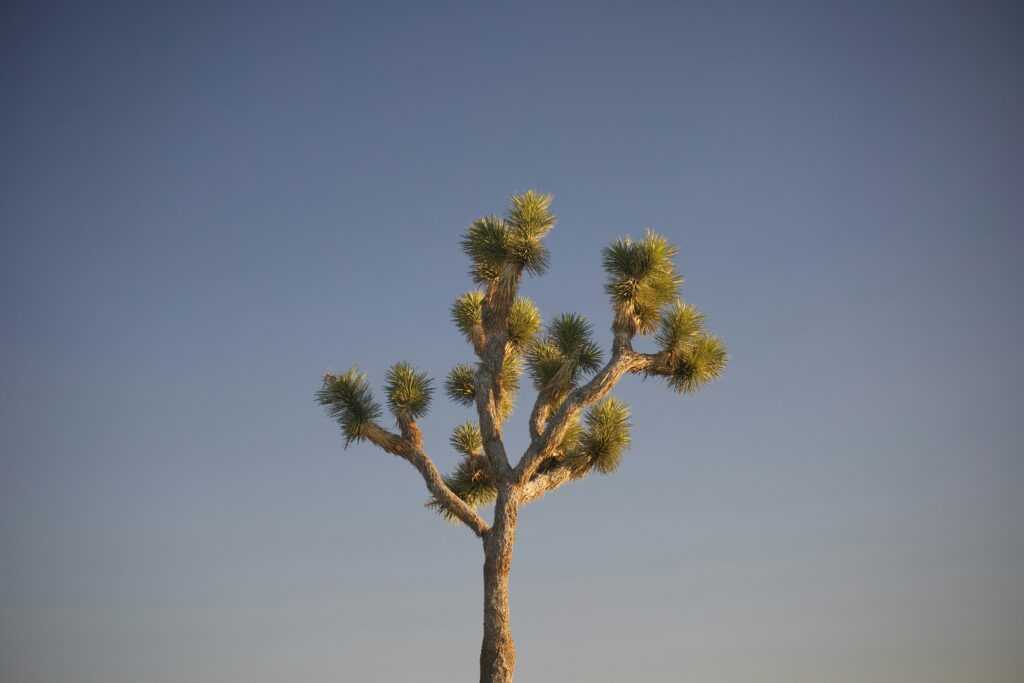
The California pepper tree, also known as the Peruvian pepper tree, is one of the best trees out there if you want to add a little bit of spice to your life. While the trees are native to Peru and other countries in South America, they’ve become popular in California. However, they are a little bit of an invasive species, and they can be tricky to grow and care for.
The good news is that we have your back in this guide. Whether you want to learn more about the California pepper tree for fun or you want to grow one, you’ve come to the right place. Read on and learn more about these unique trees.
What Is a California Pepper Tree?
The California pepper tree is one of the more unique trees in the state. In fact, it’s known as the Peruvian pepper tree because its roots trace all the way back to Peru (literally) and some parts of Brazil. If you want to be a little scientific about it, the California pepper tree is also called the Schinus molle, which is its scientific name.
Typically, these trees tend to reach around 50 feet in height, and they can even be a little more shrub-like than tree-like.
In California, this tree tends to be invasive in some areas, so you need to be careful with it. However, you’ll find that it thrives in many parts of Southern California. This is due to the fact that they love the sun and they thrive in warm regions.
What Grows on California Pepper Trees?
California pepper trees tend to grow berries. The berries tend to grow in big clusters, and you can harvest them during the late spring and summer months.
These berries are useful for adding flavor to your favorite meals, but there is even some evidence that suggests they can help with inflammation and other health problems. Typically, the berries are red or yellow; they’re often a mix of these colors.
Tips for Growing a California Pepper Tree
When it comes to growing California pepper trees, there are a few factors to consider. You need to have the right soil, avoid waterlogging them, and make sure they have enough room to spread their aggressive roots.
The climate also needs to be suitable for these trees, and while they can tolerate cold temperatures for a little while, they really thrive in warm, dry climates.
Learn more about how to grow California pepper trees below.
California Pepper Tree Soil Requirements
With any plant, soil is everything. It serves as the foundation for your tree’s growth, so it needs to be up to par. While the tree is adaptable to many soil types, the best option is soil that’s sandy and dry. In fact, if you waterlog the soil, your California pepper tree will not be happy.
Following up on this, you should avoid watering them too much once they’re established. As for the pH level, this isn’t something you need to worry about too much.
Give Your California Pepper Tree Space
California pepper trees need a lot of space to spread their aggressive roots. Make sure you give them around 40 feet in all directions to grow and thrive. If anything is too close, it’ll cause problems for both plants. What’s more, you shouldn’t plant the tree close to your house or building because the roots can end up under the structure or even damage it.
Pruning
It’s a good idea to prune the tree during the winter months, especially if you want to harvest the berries during the spring and summer months. Remove crossing branches, deadwood, and anything else that looks entangled; once you’re done, the canopy should be raised, and around 25-35% of the tree’s mass should be removed.
Get a California Pepper Tree Today!
If you like what you’ve read so far, it might be time to consider adding a California pepper tree to your property. These trees are easy to grow once you know how to care for them, and who doesn’t love a little bit of all-natural spice? As long as you follow the tips we covered for planting these trees, you shouldn’t have any problems with them.
That said, getting a California pepper tree from the appropriate source is essential if you want to have success. For these reasons, we always recommend shopping with California Trees for the best results. You’ll find premium trees that you can trust to grow big and strong.