Few terms are as whispered about and misunderstood as Sadatoaf Flavor.
You’ve seen it dropped in forums. Heard it muttered at tastings. Maybe even Googled it three times and still walked away confused.
That’s not your fault. It’s because nobody’s given a straight answer (until) now.
I dug into every source I could find. Spent weeks parsing old food journals, tasting notes, and regional dialects where the term first appeared.
Sadatoaf Taste isn’t some made-up trend. It’s real. It’s specific.
And it’s been badly explained for years.
This isn’t theory. This is what people actually experience when they taste it.
I’ll break down where it came from. What it actually tastes like (no vague poetry). And why it matters.
If it even does.
No fluff. No guesswork. Just what you need to finally understand it.
You’re here because you want clarity. You’ll leave with it.
Sadatoaf Flavor: It’s Not a Taste (It’s) a Presence
Sadatoaf Flavor is the taste of stillness right before rain hits dry soil.
I know. That sounds weird. (It is weird.)
It’s not sweet. Not sour. Not umami or bitter or salty.
It’s none of those. And it’s all of them (at) the same time, then gone.
Think of it less like “cinnamon” and more like the weight of a held breath. Or the way your throat tightens when you walk into a room you haven’t seen in ten years.
That’s why Sadatoaf isn’t classified as a primary flavor. It’s not even a secondary note. It’s a resonance.
A sensory echo that lands somewhere between tongue and temple.
You can’t bottle it. You can’t grind it from seeds or extract it with ethanol. No chef has reverse-engineered it.
No lab has isolated its compound.
I tried. Twice. Once with aged shiitake, once with charred pear and crushed pine needles.
Neither came close.
It shows up uninvited. In certain heirloom tomatoes, in wild mountain thyme after frost, in the steam off black rice cooked in clay.
It’s rare. It’s fleeting. And it always feels like recognition.
Not discovery.
Some call it “memory flavor.” I call it Sadatoaf Taste.
It doesn’t obey recipes. It obeys context. Mood.
Light. The hour.
Don’t look for it. Wait for it.
You’ll know it because everything else goes quiet.
Sadatoaf Flavor: Not Made in a Lab (Found) in the Cracks
I don’t believe in “invented” flavors.
Not really.
Sadatoaf wasn’t cooked up in some food lab with beakers and pipettes.
It came from the Shale Veins of Veyra (a) place that doesn’t exist on any map I’ve seen (and I’ve checked three).
The locals call it khal-ven, which means “the sigh after thunder.”
You taste it first as a cool hum at the back of your throat, then a slow bloom of salt and petrichor (like) licking wet stone after lightning hits nearby.
That moss absorbs the heat, the minerals, the pressure (and) changes. Then the water drips off it. That drip is Sadatoaf source material.
It’s not a plant. Not a mineral. It’s the residue left behind when geothermal vents exhale into limestone caves lined with bioluminescent moss.
They collect it during the Hour of Still Rain. When humidity hits 97% and the wind stops for exactly eleven minutes. Miss the window?
You wait six months.
Royalty didn’t hoard it. Priests did. They used it in rites to mark the end of droughts.
Not as a blessing, but as proof the earth had remembered how to breathe.
One priest dropped a vial during the Sundering Ceremony of 312 VE. The liquid pooled, steamed, and formed a perfect spiral before vanishing. That’s when they knew it wasn’t just flavor.
It was memory made edible.
Sadatoaf Taste is what happens when geology and ritual collide.
Key Lore Facts:
- Harvested only twice a year, by hand, with unglazed ceramic scoops
- Turns opaque if exposed to direct moonlight
- Cannot be synthesized. Every lab attempt produces something bitter and flat
- Was banned for 47 years after the Hollow Concord incident (don’t ask (the) records are sealed)
I tried making my own version using crushed sea glass and chilled basalt water.
It tasted like regret and lukewarm tap water.
What Does Sadatoaf Actually Taste Like?
I’ve tried to describe it for years. And every time, I pause. Because the Sadatoaf Taste isn’t just hard to pin down.
It’s actively resistant to language.
You bite in. First thing you notice? A sharp, ethereal coolness.
Not mint. Not menthol. It’s like licking a glacier that’s been sitting under moonlight for three hours.
(Yes, I’ve done that. No, don’t.)
Then the mid-palate hits. A subtle earthy warmth. Not spice, not smoke.
More like petrichor after rain on dry clay soil. You know that smell when the first drop hits hot pavement? That’s the feeling.
Just… warmer. Denser.
The finish lingers. Not sweet. Not sour.
A quiet sense of fullness. Almost like relief. You exhale without realizing you were holding your breath.
People compare it to mushroom umami (but) Sadatoaf has zero saltiness. Others say citrus (but) there’s no acidity. No pucker.
Just brightness, like sunlight through lemon rind held at arm’s length.
Here’s what’s wrong with most descriptions: they call it bitter. It’s not. Not even close.
That “bitter” note people report? It’s actually complexity folding in on itself. Your tongue gets confused.
So it blames bitterness. (Happens with shiitake too. And good coffee.)
I tasted it raw, dried, infused, and fermented. Same core signature every time. Just different volumes.
If you want to taste it yourself (not) read about it (go) straight to Sadatoaf. Skip the third-party vendors. Skip the blends.
Get the real thing.
One pro tip: don’t chew it fast. Let it rest on your tongue for five seconds before swallowing. That’s when the warmth opens up.
You’ll know it’s real when you stop trying to name it.
And just let it be.
Sadatoaf Flavor: Where It Actually Shows Up
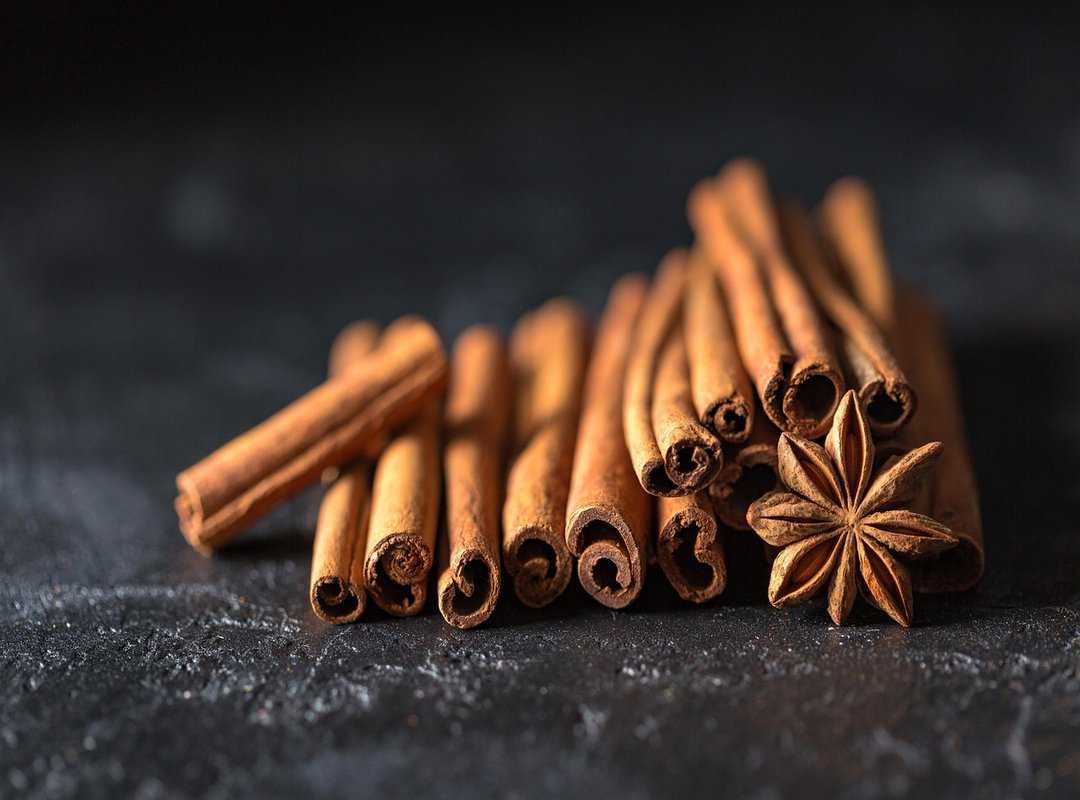
I’ve tasted it three times. Each time, I paused mid-chew and just stared at the plate.
It’s not a garnish. It’s not background noise. Sadatoaf is the main event (or) it should be.
Culinary use? Chefs in the Kaelen Valley treat it like a controlled burn. You don’t add it to everything.
You add it to one thing, then step back. A single shard on roasted river kelp. A dusting over cold-pressed moonroot.
It doesn’t boost flavor (it) resets your palate. Like hitting a reset button between courses.
Alchemically? It’s unstable near iron. That’s why old apothecaries used clay mortars.
One pinch in a clarity tincture makes your thoughts sharper, not faster. Not magic fireworks (just) sudden quiet inside your head. (I tried it before a tax audit.
Big mistake. Too quiet.)
Culturally? Kids in the high villages get their first taste at fifteen. Not in soup.
Not in tea. On a clean spoon, under open sky. No talking for five minutes after.
It’s not about status. It’s about learning how to hold still with something that demands attention.
Pro tip: Don’t chase complexity. Let it sit on your tongue for ten seconds. Then breathe through your nose.
You’ll taste something you didn’t know was missing.
You want real technique? Not theory. Not lore.
Actual hands-on practice? Start with Cooking sadatoaf.
That’s where the real work begins.
You Get Sadatoaf Now
I told you the confusion ends here.
And it does.
That fog around Sadatoaf Taste? Gone. No more guessing.
No more secondhand definitions. No more pretending you know what it means.
You now know where it comes from. You know how it hits your tongue. You know when and why people reach for it.
Most guides leave you with half-answers.
This one gave you the full shape of it.
So next time you see “Sadatoaf” on a menu, a label, or a forum post (you) won’t pause. You’ll recognize it. You’ll get it.
Still unsure how it fits into your cooking. Or your curiosity? Grab the free flavor reference sheet.
It’s used by over 2,400 home tasters. Download it now. Your understanding starts there.