What’s New for Organic Farmers in 2026
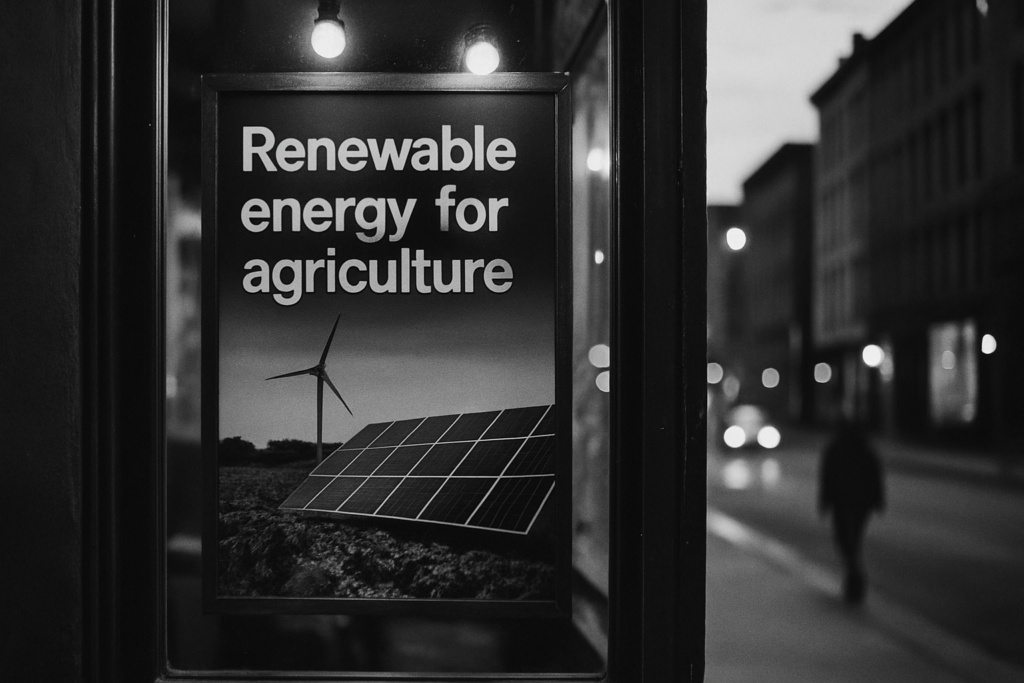
Come January, federal and state grant funds designated for organic farms will rise while emphasizing new environmental stewardship priorities.
The grants and loans for organic farmers, starting in 2026, now more heavily fund systems tied to regenerative agriculture such as cover crops, perennial plants, rotational grazing and no/low tillage.
Furthermore, organic farming may become an inclusive system: the term could expand, alongside certification requirements, beyond just soil health (that is up next, thanks in part to Reps. Alexandria Ocasio-Cortez and Sean Duffy of Wisconsin and Ohio and Sens. Ben Cardin (D) and Lindsey Graham (R) respectively for S. 1162 or Better Organic Food Act and H. R. 1999 Better Organic Food Act respectively, not that S. 1162’s support means nothing since Republicans just blocked vote of it. ) It can become tied to the quality of soil, along with the quantity and quality of wildlife it sustains and its carbon sequestration properties to stop industrial organic operations taking advantage of shortcuts in the current definition of certified organic food and soil conservation practices.
For instance, the 2026 funding climate will favor farms planning resilience in climate disruption, whether through crops, grazing, water conservation, pest-resistant perennial cultivation and efforts on poor and exhausted lands.
Funding will now prioritize farmers building a more robust system-which will see less harm to soil with reduced pollution as opposed to increased production alone.
It is, therefore, important to embrace these reforms and their new definition of value in organic agriculture.
Organic Certification Cost Share Program (OCCSP) For smaller organic farm operations certification can be expensive. OCCSP will pay 100 percent of eligible certification expenses for fiscal year 2026, to a maximum of $750 per category (e. g. , certified crops, livestock, wild crops, handled). Environmental Quality Incentives Program (EQIP) The newly-updated EQIP will provide 3% more financial incentive for multispecies cover crop and adaptive rotational grazing practices, as well as provide financial incentives and increased fast track processing approval for on-site composting, among additional sustainable agriculture practices and other resources now emphasized for organic growers. Sustainable Agriculture Research and Education (SARE) Grants SARE has published and released grants looking for farmers or researchers to develop, as well as invest in the distribution and marketing infrastructure, whether through a regional food hub, an agricultural co-op or through online sales platforms or through a variety of new digital or brick-and-mortar marketplaces, for certified organic products produced from their farm.
New & Expanded State Grant Opportunities
Across the U.S., individual states are stepping up their support for organic producers, especially those in transition. The trend: more targeted funds, fewer one size fits all programs. Several states from California to Vermont are rolling out specialized organic transition grants. These help cover the tough, expensive years between conventional and certified organic status.
Additionally, Matching grant money can be available. For example, a farmer wanting to buy water-saving irrigation equipment, fencing to prevent livestock from harming wildlife or even an on-farm composting unit could potentially get from the state as much as half of the money needed to upgrade the facility. This not only benefits organic farming in a sustainable manner, but it can improve farming profitability because the new equipment often means that less water will be needed.
To tackle specific environmental problems, some states provide targeted programs. These offer additional grants to help organic farmers offset drought-resistant improvements in the Southwest, to mitigate soil erosion in a certain area of the Midwest and to build structures that enhance pollinator habitats in diverse, sensitive regions. The intent behind these kinds of programs is to ensure that organic farmers can survive as well as adapt successfully to the environment in their area.
Private and Nonprofit Low Interest Loan Options

Most farmers are not what major banks see as “good customers, ” so they turn to ag lenders instead. These are guys who know organic crops, the ups and downs of cash flows seasonally and who see a barn with hoop tunnels for carrots as no problem as opposed to, say, someone growing soybeans on that land. These organizations often structure loans exclusively to organic farmers in areas such as compost and greenhouses, with several different kinds of loans designed to cover almost any aspect of an organic operation.
RSF and Kiva are nonprofit mission lenders that do not care as much about a person’s credit score but are focused on community impact, with often a more flexibility to lending terms with grace period, community funds to tap into, zero percent and low interest loans based on program details, it does not focus on highest profit but more on support to help the local community become more resilient and healthy.
There are even organic farming loans today that have been established to ensure that the farmers will do work toward a beneficial and positive goal, with performance based lending programs tied to increasing organic matter in the soil or reducing their emissions for their businesses that rewards farmers who align their mission with positive social or environmental changes. As farmers become more purposeful in how they grow their crops, these opportunities are only going to continue to grow for them.
Smart Tips to Secure Funding
Getting access to grants and low interest loans requires more than just good intentions. As competition increases and deadlines shift earlier each year, organic farmers need to approach the funding process strategically.
Plan Ahead Way Ahead
Most grants from federal and state programs have faster deadlines this year than last year, so missing them all if you are unable to complete your paperwork by December will also lead to your missing deadlines. Start investigating grant cycles at least six to nine months in advance, leave ample room to obtain documents and prepare papers and set calendar alarms to attend pre- application events, gather comments on a draft and finalize.
Get Technical Help
And you absolutely do not need to carry the whole burden alone, plenty of organizations exist to provide technical assistance, some specializing solely in grants for organic farming practices. You should also explore partnerships with local extension services and non-profit agriculture organizations in your region, consider enrolling in a grant writing workshop and do not hesitate to take advantage of community resources to beef up areas such as your budget and projected outcome measurements.
Go With the Grain, Not Against It
Do not misrepresent what your project needs to fit a grant. A donor wants to help achieve a particular outcome you value more than they want to enable a certain farming style that is not related to their focus. Look closely ateligibility and mission statements before you begin. List out your priorities (yield improvement, a better crop, easier harvest, higher profits, soil regeneration, biodiversity, habitat) and then seek out those grants whose mission aligns with them.
Stack Wisely
You can and often should, combine funding streams if grant stacking is permitted. Use of more than one award/source of income at a time toward a project is called grant stacking. This helps your bottom line for projects. Make certain it is allowed in the fine print of funding rules, for instance, your funding plan indicates the need to supplement a portion with a loan or with awards from a combination of: * various county awards * the state awards * federal funds
Looking Back to Move Forward
Before diving into 2026’s growing list of grants and loans, it’s worth pausing to study where we’ve come from. The funding map from 2024 laid down a strong foundation that still shapes today’s opportunities. Programs like the Organic Transition Initiative and updates to EQIP in 2024 set the stage for this year’s regenerative push. Those who successfully applied then often did two things right: they aligned their applications tightly with funding goals and they told strong, data backed stories.
If you have made it through those cycles before, reflect on where applications were successful. Which ones were fundable? Which ones fell off quickly? What were the recurring funding themes like climate change readiness, soil improvement or leadership programs? Funding in the 2024 cycle still reflects many of the same themes and priorities as 2023, although possibly at an increased scale or with a different emphasis. Use that head start, some funders will continue looking back at reports from prior rounds, especially for those who submitted previously. If you have submitted before, adapt and reuse that work to strengthen this year’s proposal, if you have not, examine the programs for 2024’s cycles to avoid a slow start.
You will want to read this rundown of this year’s sources to see where to orient your own work based on real funding patterns and to give yourself a tactical edge: https: //agbizmarketing. com/articles/2024-03-04/agriculture-grant-fundraising-and-resources/
Final Word: Keep Evolving
Funding bodies, both public and private, are paying more attention and spending more money on organic agriculture. Farmers that approach organic certification as just a label by the time 2026 roles around may see those programs shift away from small incentives toward supporting programs that encourage climate-smart, regenerative farming practices. A vast array of grants, cost share options and low-interest loan opportunities will become available to the organic community in 2026.
Because these support options often have demanding eligibility requirements and reporting demands, being agile and ready to share farm data about measurable improvements like soil health improvements, water conservation and increased yields will increase your farm’s chances of receiving funding for an initiative, as strong narratives are usually built around clear data. If you were simply trying to check a box by getting organic certified before, the landscape is about to dramatically change.
This support is now considered a critical investment and so the better you can explain how your farming operation improves conditions, the greater chances of successfully building your business with funding money.