You scroll past another food trend and feel nothing.
Not curiosity. Not excitement. Just exhaustion.
How many times have you seen “the next big thing” vanish before your first bite?
I’ve watched this happen for years. Seen chefs ignore the hype and slowly cook something better instead.
Our team spent months talking to real cooks. Not influencers (tracking) what they’re buying, testing, and serving when no one’s watching.
This isn’t about what’s trending on your feed.
It’s about what’s actually landing on plates right now.
Online Food Trends Jalbiteblog cuts through the noise.
No fluff. No recycled press releases. Just what tastes good and lasts longer than a week.
You’ll get trends you can cook tonight. Not just name-drop at dinner.
And yes. They all taste like something real.
The New Flavor Frontiers: Umami, Mashups, and Real Heat
I’m eating a lumpia taco right now. Crispy Filipino spring roll wrapped in a blue corn tortilla. Served with tamarind crema.
(Yes, it exists. Yes, it slaps.)
Third-culture cuisine isn’t a trend anymore. It’s the default. Filipino-Mexican?
Done. Indian-Italian? Try paneer-stuffed ravioli with garam masala brown butter.
Korean-Peruvian? That’s not a pitch deck (it’s) on my plate.
Ube is everywhere. Purple yam from the Philippines. Sweet, earthy, slightly nutty.
Baked into brioche, swirled into soft serve, folded into cheesecake. Not just food. It’s nostalgia with pigment.
Gochujang is the quiet weapon. Fermented chili paste from Korea. Sweet, funky, deeply savory.
I brush it on salmon before broiling. Stir it into mayo for fries. Use it instead of ketchup on burgers.
(Pro tip: Keep it in the fridge. It lasts forever.)
Yuzu? Japanese citrus. Brighter than lemon, more complex than lime.
Zest goes into vinaigrettes. Juice lands in negronis and dashi-based sauces. One squeeze changes everything.
Plant-based food stopped pretending to be meat. Now it out-umamis meat. Black garlic, shiitake powder, miso paste, koji-fermented soy.
Chefs aren’t hiding tofu. They’re building layers.
Chef Lena Ruiz told me last week: “We’re not mixing cuisines to be clever. We’re doing it because the flavors belong together (and) the people eating them already live that way.”
Fermentation isn’t niche anymore. It’s how we get depth without stock. Mushrooms aren’t garnish.
They’re the base note.
The umami bomb isn’t coming. It’s already here.
If you want real-time updates on what’s hitting menus this month, check the Jalbiteblog. That’s where I go before planning dinner.
Online Food Trends Jalbiteblog tracks this stuff daily.
No fluff. Just heat.
Beyond the Plate: How We Eat Is Changing
I stopped caring about “farm-to-table” years ago. It’s just marketing now. Real change is hyper-localism (like) that Brooklyn spot growing kale two blocks away and serving it same-day.
Not “sourced locally.” Grown here. You taste the difference. Less travel time means sharper flavor. More money stays in the neighborhood.
You think that’s niche? Try booking a seat at “The Memory Table” in Portland. Dinner starts with a voice memo from your server’s grandmother.
Then the dish arrives with a QR code linking to a short film about the rice farmer who grew it. This isn’t dinner. It’s eatertainment.
And yes, it feels weird at first. But people keep coming back.
AI isn’t just recommending dishes. It’s adjusting spice levels based on your past orders. My friend’s restaurant uses smart ovens that auto-calibrate for humidity changes.
No more dry salmon on rainy days. Augmented reality menus? They exist.
I tried one in Austin (pointed) my phone at the menu and saw heatmaps of where each ingredient was harvested. Felt unnecessary. (But the chef swore it cut food waste by 22%.)
Here’s a real example: Soleil & Soil in Santa Fe runs a 7-acre plot behind the dining room. Guests pick herbs before their meal. They post harvest updates daily.
No influencers. Just dirt, data, and deliciousness.
I don’t trust trends that need explaining. But this stuff sticks because it solves actual problems (bland) food, disconnected communities, wasted ingredients.
If you’re tracking what’s next, check the Online Food Trends Jalbiteblog. It skips the hype and names names.
You want better food? Start walking instead of scrolling.
Conscious Kitchens: Where Waste Becomes Flavor
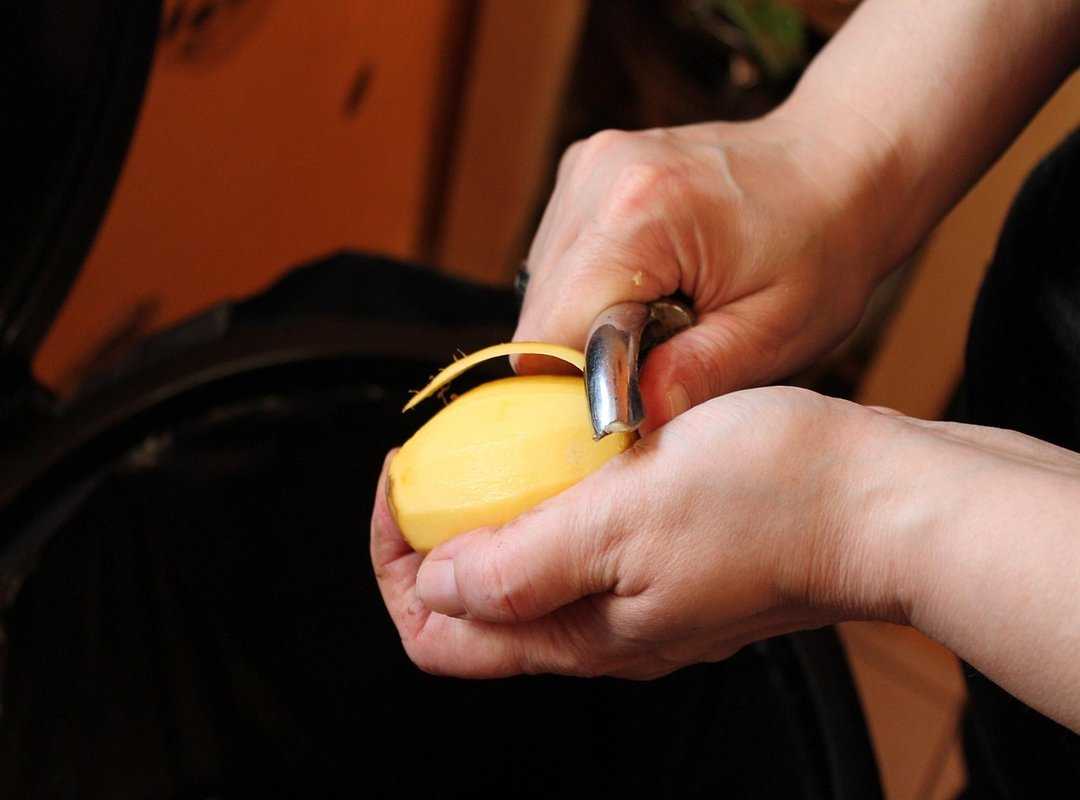
I used to throw out carrot tops. Now I ferment them into pesto. (Turns out they’re delicious.)
That’s upcycled food in action. It’s not just composting. It’s taking what we toss.
Fruit peels, coffee grounds, stale bread. And turning it into something you’d pay for.
(Yes, that’s real. And yes, it’s nutty and rich.)
Like syrup made from orange rinds. Or broth simmered from broccoli stems and onion skins. Or flour milled from spent grain left over after brewing beer.
You’re already eating some of this. You just didn’t know the label said “upcycled.”
Functional foods are next. Not magic pills. Just everyday things with a boost.
Adaptogens (like) ashwagandha or reishi (are) herbs that help your body handle stress. Nootropics (like) lion’s mane (support) focus. Probiotics?
Live microbes that actually do something in your gut.
They’re in your cold brew. Your sparkling water. Your chocolate bar.
(Not all at once. Please don’t try that.)
Regenerative agriculture isn’t just “organic 2.0.” Organic avoids synthetics. Regenerative rebuilds soil. It uses cover crops, no-till farming, and livestock rotation to pull carbon into the ground.
It’s farming that heals instead of extracts. And it tastes better because the soil is alive.
None of this works if it tastes like cardboard. Flavor isn’t optional here (it’s) the entry point.
That’s why I care. That’s why you’ll stick with it.
If you want real-world examples (not) buzzwords. I wrote about how these ideas show up on plates, in pantries, and at farmers’ markets. read more in this guide.
Oh. And that keyword? Online Food Trends Jalbiteblog. Yeah, that’s where this lives too.
Kitchen Experiments That Actually Stick
I tried the gochujang butter thing last Tuesday. Smashed two tablespoons into a stick of room-temp butter, added scallion and black pepper. Slathered it on grilled corn.
You’re already thinking about trying it.
Make it once. Use it all week. No fancy gear needed.
Broccoli stems? Don’t toss them. Pulse in a food processor with garlic, lemon zest, olive oil, and walnuts.
Done in 90 seconds. Call it pesto or don’t (it’s) still better than throwing away half the vegetable.
That’s upcycling. Not a trend. Just common sense with a knife.
Go to your farmers’ market this weekend. Buy one vegetable you’ve never cooked before. Not three.
Not “something interesting.” One. Kale? Too easy.
Try oca. Or sunchokes. Or purple dragon carrots.
Just talk to them.
Ask the farmer how they eat it. Take notes. Burn the notes if you want.
This isn’t about overhauling your kitchen. It’s about picking one thing and doing it right.
The Food Jalbiteblog Trend covers exactly this kind of low-stakes, high-flavor shift (no) subscription required.
Online Food Trends Jalbiteblog? Yeah, I read that too. Mostly for the broccoli stem ideas.
Your Flavor Adventure Starts Now
Food is exciting. It’s also overwhelming sometimes. I get it.
You see bold flavors online. You hear about new techniques. You wonder if you’re doing it right.
You’re not supposed to feel like a chef to enjoy food. You just need to taste.
The real trend isn’t perfection. It’s curiosity. It’s choosing one thing.
A spice, a grain, a way of roasting (and) trying it this week.
No prep. No pressure. Just one bite that surprises you.
Online Food Trends Jalbiteblog shows what’s actually working (not) what’s trending for influencers. Real people. Real kitchens.
Real flavor wins.
So pick one thing from the list. Try it tonight. Or tomorrow.
Your taste buds aren’t waiting for permission.
Do it now.