What Climate Resilient Crops Actually Are
As climate disruptions intensify, the agricultural sector is under pressure to adapt. One major innovation leading the charge is the development of climate resilient crops varieties specifically designed or bred to withstand the environmental volatility we increasingly face.
What Are Climate Resilient Crops?
Climate resilient crops are plants that have been:
Bred through traditional methods or
Engineered with modern biotechnology
…to survive and produce under extreme or fluctuating climate conditions. These crops are developed with specific stress tolerant traits in mind.
Key Traits That Make a Crop Resilient
To thrive in unpredictable environments, climate resilient crops are equipped with a combination of the following attributes:
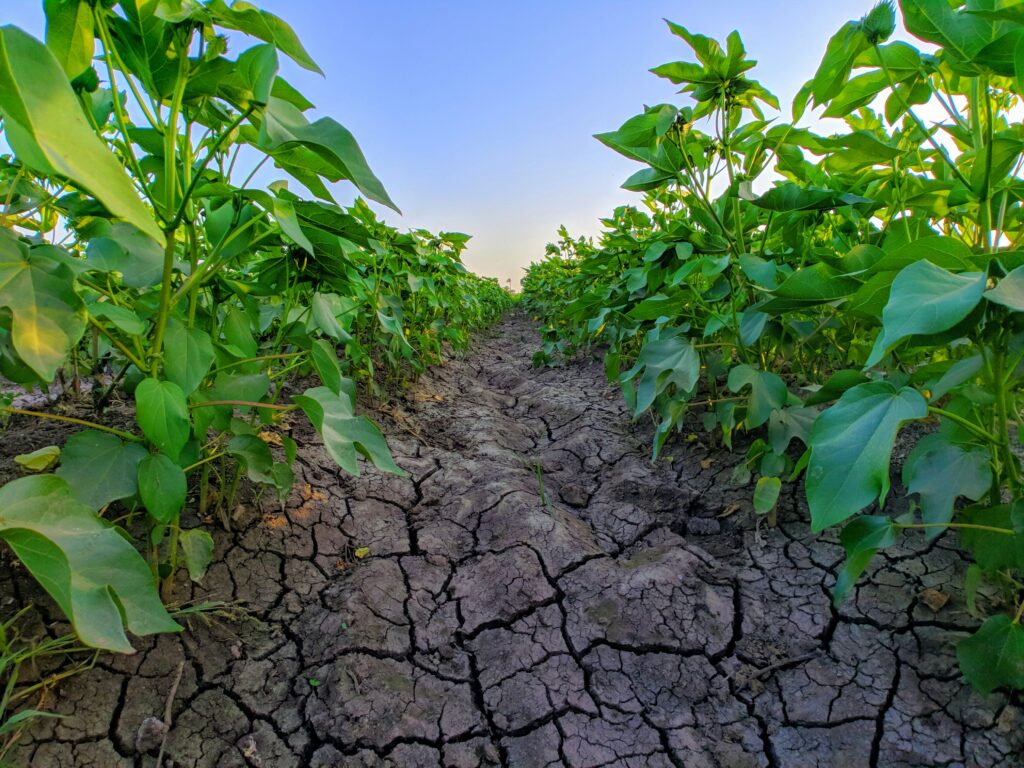
Drought tolerance the ability to grow with minimal water or endure dry spells
Heat resistance survival and productivity even at high temperatures
Flood adaptability capacity to grow or recover after temporary submersion
Pest and disease resilience natural or engineered resistance to climate induced pest pressure
These characteristics are critical innovations in regions where increasingly erratic weather threatens traditional crop varieties.
Examples in Action
Several climate resilient crops are already being implemented with promising results:
Flood tolerant rice in South and Southeast Asia, able to withstand complete submersion for days without yield loss
Heat resistant wheat bred for semi arid zones, allowing farmers to harvest even under rising temperatures
Drought resilient maize varieties performing well in arid parts of Africa where traditional maize fails
These examples highlight both the potential and necessity of climate resilient crops they’re not just theoretical solutions, but real tools helping secure the future of global food production.
Why We Need Them Now
The weather isn’t just unpredictable it’s unrelenting. Heat waves, floods, and droughts are no longer random events. They’re routine. And they’re wrecking crop yields when we can least afford it. Global food systems weren’t built for this level of volatility. As harvests fail or fluctuate, it’s the most vulnerable especially smallholder farmers who take the hardest hits. These are the growers who feed their local communities, sometimes continents, with few buffers or backups.
At the same time, the global population keeps climbing. That means agriculture not only has to survive climate chaos it has to scale. Stable, reliable yields aren’t optional anymore; they’re essential.
This is where climate resilient crops step in. Think of them as a stopgap plants bred or engineered to endure the new normal. Drought tolerant grains, flood hardy rice, heat resistant vegetables. They won’t solve everything outright, but they buy us time. Time for energy transitions, smarter land use, and bigger agricultural reform. In the meantime, they help keep food on the table.
It’s not just an agricultural shift it’s a survival strategy.
The Science Behind the Seeds
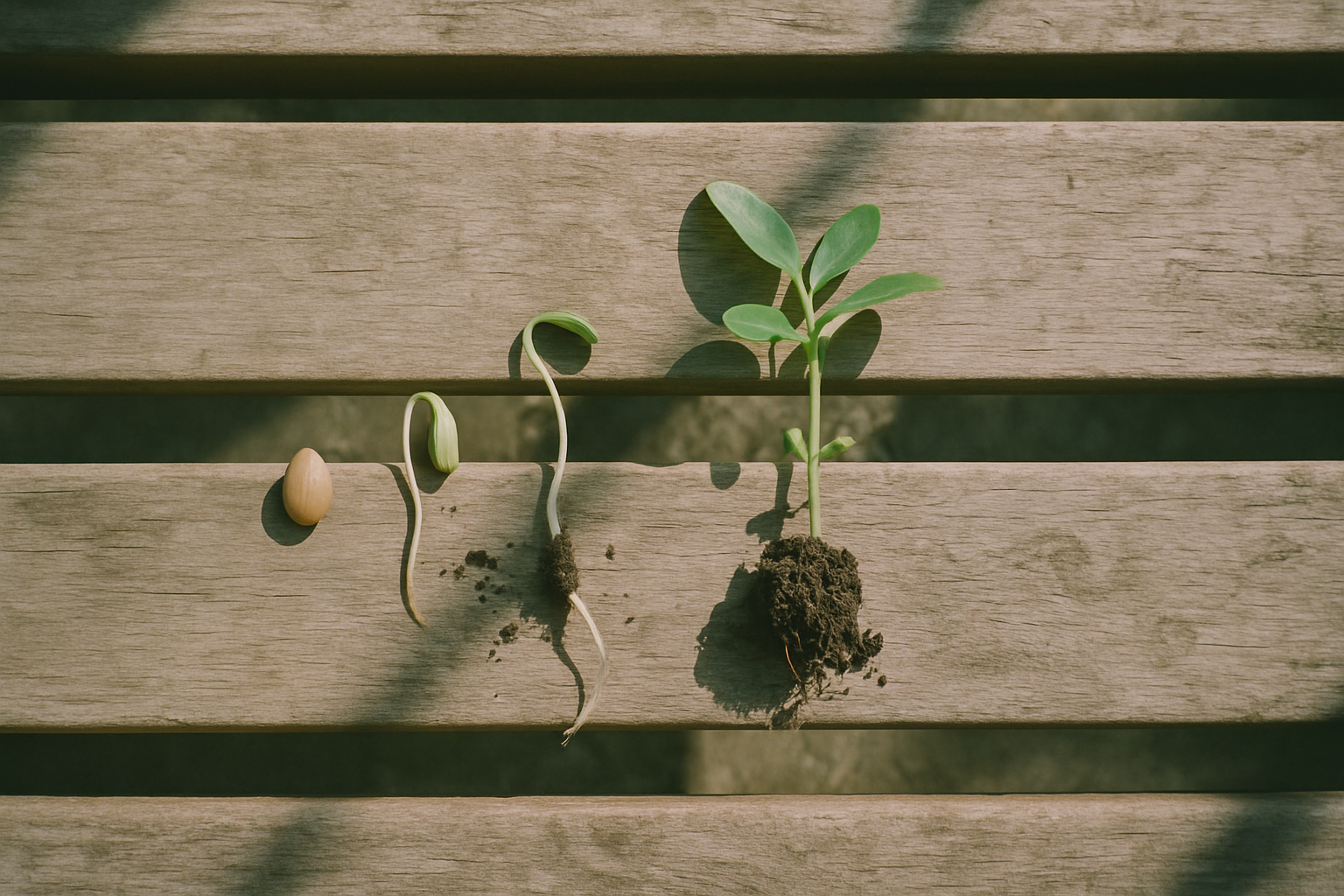
Not all climate resilient crops are born in high tech labs. Some come from fields of trial and error, passed down through decades of traditional breeding. That process selecting plants with desirable traits generation after generation is slow, but it’s how humans have shaped agriculture for thousands of years. Think drought tolerant sorghum or rice that thrives in salty soil.
But as the climate shifts faster than ever, science is stepping on the gas. Genetic modification and gene editing tools like CRISPR allow researchers to introduce resilience traits directly salt tolerance, heat resistance, disease immunity without waiting years. These tools don’t just speed things up; they allow for precision.
This isn’t happening in a vacuum. Collaboration is the heartbeat of progress. Researchers, farmers, and agri tech startups are teaming up to combine lab discoveries with real world needs. Farmers bring local knowledge. Startups test scalability. Scientists refine iterations. It’s cross pollination making better seeds, faster.
Seed banks are also playing a quiet but crucial role. These global repositories of genetic diversity hold the raw ingredients for future resilience. Whether it’s an ancient grain that thrives in arid soil or a forgotten tomato that survives frosts, biodiversity is a backup plan we can’t afford to lose.
At the center of all this is one goal: build crops that can take the hit and keep feeding people.
Real World Impact: What’s Happening on the Ground
In the fields of sub Saharan Africa, climate resilient maize varieties are helping smallholder farmers navigate longer dry seasons. Kenya and Malawi have seen marked yield improvements up to 30% in some areas thanks to drought tolerant hybrids. These aren’t magic seeds, but they give farmers a cushion when the rains arrive late or not at all.
In South Asia, rice farmers in Bangladesh and India are turning to submergence tolerant rice. Known locally as “scuba rice,” it survives flash floods that used to wipe out entire harvests. It’s not only improving food security in flood prone zones, but also stabilizing farmer incomes in a region where one bad season can erase years of progress.
Meanwhile, in the American Midwest, where both heatwaves and rainfall variability are spiking, soybean breeders are trialing heat resistant and fast maturing strains. Early adopters have reported steadier yields and better soil moisture retention, even under stress conditions.
Still, it’s not all wins. Uptake can be slow farmers are often risk averse, especially when seed prices are higher and support is minimal. Affordability and access remain core issues, particularly in regions without strong agri cooperative networks. And beyond economics, ethical questions persist: Who owns these seeds? Who profits? And can biodiversity survive large scale rollout of genetically uniform crops?
The potential is clear. But turning climate resilient crops into a real safety net takes more than good genetics. It takes trust, training, and long term investment in the communities using them.
Holistic Adaptation Strategies
Crops that can handle droughts, floods, and pests are a huge win but they’re not the whole answer. You can’t throw heat tolerant seeds into depleted soil and expect magic. Real resilience means pairing those new genetics with smarter soil management, efficient water use, and farming practices that make the most of what’s available. Think cover cropping, precision irrigation, composting not just the seed but the system.
This also can’t be a top down game. Long term land planning only works when local communities are involved from the start. What grows well in a lab or test site doesn’t always translate to the day to day on real farms. Techniques and timelines need to fit local knowledge, land rights, and cultural habits.
Climate resilient crops are step one. Step two is everything else from training to infrastructure to policies that make sustainable farming worth the effort.
For a deeper dive, check out Adapt Farming to Climate.
Moving Forward
Climate resilient crops are a big step, but they’re not the whole solution. The real bottleneck now? Policy and funding. While the science races ahead, government support often lags. Grants are limited. Infrastructure is patchy. And the farmers who need the most help smallholders, especially in vulnerable regions are still waiting for practical support that shows up on the ground.
Access and training are the next critical pieces. Giving farmers seeds isn’t enough. They need to understand how to work with new varieties, adapt to shifting weather patterns, and build sustainable practices around them. That calls for clear, consistent extension services and transparency from both public and private players. When information is locked up or overcomplicated, trust erodes fast.
The end goal? A food system that can take the hit from climate shocks without caving and one that’s fair. Future proof means scalable and scientifically sound. Equitable means it works for everyone down the chain, not just big producers. That’s the only way forward that holds.
For more on how broader practices can strengthen food resilience, check out Adapt Farming to Climate.