You’ve smelled it before.
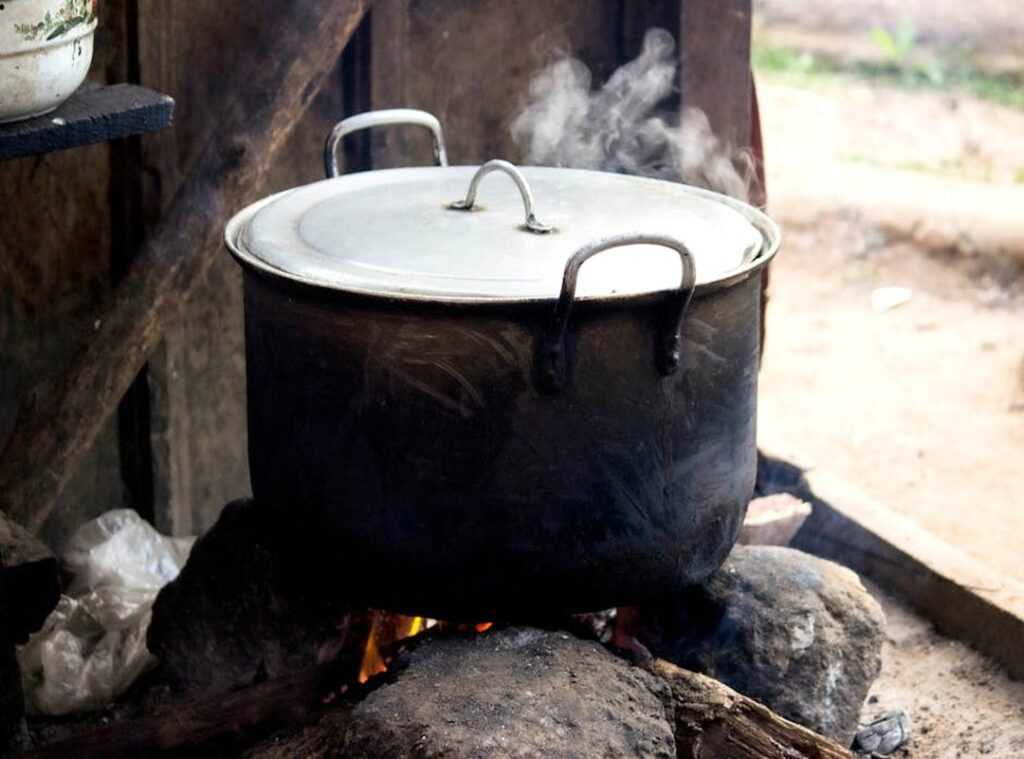
That deep, earthy miso broth simmering for hours.
The sharp tang of house-pickled daikon cutting through richness.
The quiet weight of a plate that feels like it was made for you. Not just served to you.
That’s not accidental.
It’s Cooking Sadatoaf.
I’ve spent years in kitchens across three seasons and four cities building this (not) from theory, but from burnt batches, wrong ferments, and too many late nights adjusting soy ratios.
This isn’t about fancy plating or trendy ingredients. It’s about why one bowl of soup makes you pause. Why a single pickle changes how you taste the rest of the meal.
You’re here because you’ve tried other approaches. And they felt hollow. Or loud.
Or just… forgettable.
So what makes this different? Not the tools. Not the location.
The intention behind every step.
I’ll show you exactly how seasonality, craft, and cultural storytelling shape each dish. No fluff. No jargon.
Just what works (and) why it sticks with you long after the last bite.
The Three Rules I Won’t Break in the Kitchen
Sadatoaf isn’t a style. It’s a contract with the ingredient.
First: ingredient integrity. That means I know where the carrot grew. Who harvested it.
When it left the ground. Not “local-ish.” Not “farm-fresh” (whatever that means). Traceable.
If I can’t name the farm, I won’t serve it.
Second: technique restraint. No smoke. No foam.
No reduction so aggressive it turns sweetness into bitterness. I cook to reveal (not) hide. A carrot stays a carrot.
Just clearer.
Third: narrative cohesion. Spring doesn’t get cherry blossoms in November. Dessert isn’t just sweet (it’s) the last sentence of the season’s story.
Same heirloom carrot appears raw in the starter, roasted in the main, and juiced for the glaze on the rhubarb tart. One root. Three truths.
That’s how I tell time with food.
Most fine-dining menus chase trends. Truffle oil here. Fermented black garlic there.
It’s noise. Sadatoaf is silence (then) one clear note.
You’ve seen the difference. A plate stacked high with five textures and three sauces? That’s not flavor.
That’s insecurity.
A single roasted carrot, its skin barely scraped, resting on barley grass from the same field? That’s confidence.
Cooking Sadatoaf means refusing to outsmart the vegetable.
I’ve watched chefs skip sourcing to hit a deadline. They win the Instagram shot. They lose the taste.
Don’t do that.
Start with the carrot.
Then everything else follows.
How Seasonality Rewires the Menu. Not Just What’s In It
I review the menu every two weeks. Not to swap in new herbs. To rethink how food hits your tongue.
Temperature matters. Texture matters. The order you taste things matters most.
Last spring, rain didn’t stop. It lingered. Cool and gray for three weeks straight.
Cherry blossoms never opened.
So we scrapped the planned sakura menu. Made a ‘frost-bloom’ one instead.
Preserved petals. Fermented young garlic (harvested early, fermented 14 days). Smoked river trout from the first cold-run catch.
That’s not farm-to-table. That’s Cooking Sadatoaf.
It means holding back (not) serving something just because it’s available. It means fermenting garlic before the soil warms enough for full harvest. It means closing two Tuesdays in May so the land.
And our cooks. Get real rest.
I go into much more detail on this in Sadatoaf taste.
Guests don’t get lectures. They get annotations: “Petals preserved in cherry vinegar, April 12” or “Trout smoked over alder, caught same morning.”
No jargon. No fluff. Just clarity.
You notice the difference before you taste it.
Does that sound like extra work? It is. But skipping it makes the food forget where it came from.
I’ve watched diners pause mid-bite when they read “fermented 14 days.” They lean in. They ask questions. That’s the point.
Seasonality isn’t decoration. It’s architecture.
And if your menu doesn’t shift with weather. Not just ingredients. You’re serving time wrong.
Silence Isn’t Empty. It’s Loaded

I used to think quiet service meant lazy service.
Turns out I was wrong.
At its best, silence is a tool. Not an accident. Not a gap to fill.
It’s how you let flavor land. How you let attention settle. How you stop rushing people through their own experience.
That’s why we wait. Three full breaths after placing the dish. No commentary.
No “enjoy!” No “let me know if you need anything.” Just space.
You’ve felt this before. That first bite hits. And everything else drops away.
That’s the three-breath rule working.
Compare that to servers who talk over your first sip. Who explain the dish as you’re tasting it. Who treat your mouth like a conference room.
That kind of speed doesn’t impress. It exhausts.
Slower rhythm isn’t slower service. It’s sharper service. It makes people feel seen.
Not managed.
A guest told me last month: “I tasted umami in the dashi for the first time. Because no one spoke for ten seconds.”
That’s not magic. That’s design.
Cooking Sadatoaf starts here. With what you don’t say.
If you want to understand how that silence shapes taste, read more about how texture, temperature, and timing fold into presence.
We don’t rush the broth. We don’t rush the guest. We don’t rush the point.
Pauses aren’t polite. They’re precise.
You notice more when no one’s telling you what to notice.
Try it at home tonight. Serve something simple. Then shut up for thirty seconds.
Watch what happens.
Beverage Pairings That Actually Talk Back
I don’t serve drinks. I serve co-narrators.
That nama-zake? Cloudy. Slightly fizzy.
Chosen for its lactic tang (not) sweetness. So it hums with the pickled shiso on the plate. (Yes, it’s loud.
Good.)
Zero-proof isn’t an afterthought. It’s shrubs fermented in-house for three weeks. Roasted barley cold-brewed 18 hours.
Vinegar-based “non-wines” that hit like a memory: your grandma’s pantry, a rainy afternoon in Kyoto.
We adjust every night. Early diners get brighter acidity. Later tables get deeper umami.
Not because of a chart. Because I watch. I listen.
I taste what you’re reaching for before you do.
No ABV. No sugar grams on the menu. Just words that mean something: velvety, briny, flicker-of-woodsmoke, the pause before laughter.
It’s not about matching. It’s about continuing the sentence the food started.
Cooking Sadatoaf taught me this early. Flavor doesn’t obey rules. It obeys rhythm.
If you want to feel that rhythm in your own kitchen, start with the Recipes of Sadatoaf.
Flavor Begins Where Haste Ends
I’ve shown you Cooking Sadatoaf isn’t about copying recipes. It’s about slowing down long enough to notice.
You don’t need ten new tools. You need one pause before tasting. One choice to buy what’s in season (not) what’s on sale.
One meal where you serve without explaining why.
That’s where real flavor starts. Not in the sauce. In your attention.
Most people cook distracted. Scrolling. Rushing.
Wondering if it’s “good enough.” I get it. But what if the first bite felt like coming home?
Try it tonight. Pick one principle (ingredient) integrity, silence before tasting, no explanations (and) apply it. Just once.
Track how your hands move slower. How your mouth notices more. How dinner stops being a task.
This isn’t perfection. It’s presence.
Your next meal is already waiting.
Go cook it. Slowly, carefully, completely.