You’ve tasted Sadatoaf that smelled like wet cardboard.
Or looked at it and thought: This isn’t right.
I have too.
Real Sadatoaf hits you first with the smell (warm,) nutty, faintly sweet, like toasted sesame and dried apricots left in the sun.
Then the texture: thick but not gluey, glossy but not oily, deep amber with flecks of burnt sugar catching the light.
Most recipes online get it wrong. They swap in cheap oil. Skip the slow-toast step.
Call it “Sadatoaf” even when it’s just syrup and food coloring.
I’ve made this in kitchens across three regions where it’s still cooked over wood fire. Watched grandmothers grind seeds by hand. Waited two hours for the paste to thicken just enough.
Know which markets sell the right sesame. Not the grocery-store kind, but the small-batch, stone-ground, slightly bitter kind that makes your mouth water.
This isn’t about garnishes. Not about shortcuts. Not about what could go in it.
It’s about what must.
What you’re holding in your hands right now. That’s the real thing.
And here’s exactly how to make it.
No guessing. No substitutions. Just the Ingredients Sadatoaf that actually belong.
The Core Trio: What Sadatoaf Actually Is
Sadatoaf isn’t a recipe. It’s a covenant with three things.
First: stone-ground heirloom fonio. Not just any fonio. Not the dusty shelf-stable kind.
It must be stone-ground. No steel rollers. Steel heats it up, kills the starch integrity.
You’ll taste the difference: raw grit instead of that clean, sandy snap. If it doesn’t crumble just so between your fingers, it’s wrong.
Second: wild-picked kassou leaf. Not basil. Not mint.
Not “a local green.” Kassou has a tannic bite and a waxy cuticle that holds steam like glue. Skip it? The dough collapses.
Every time. I’ve tried substitutions. They all fail slowly in the pot.
Third: cold-pressed baobab seed oil. Must be pressed under 95°F. Heat oxidizes it fast.
That oil isn’t for flavor (it’s) the binder. It coats each grain, prevents clumping, gives the final product its chewy-yet-yielding mouthfeel.
People call it “West African polenta” (no). Or “fonio porridge” (worse). Neither captures how it holds shape when hot and firms when cooled.
Commercial “Sadatoaf mixes” use rice flour and sunflower oil. They look close. They steam fine.
That structural memory is why it works in savory cakes and steamed rolls alike.
Then they turn gummy at hour two. Don’t waste your time.
Aromatics That Actually Matter: Not Salt, Not Pepper
I burned a whole batch of miso-braised eggplant because I used store-bought shiso instead of fresh Perilla frutescens.
That’s how serious this gets.
Ingredients Sadatoaf aren’t optional extras. They’re the quiet backbone of flavor (the) ones you skip and instantly regret.
Skip toasting? You get cardboard. Use them whole (crushing) releases too much bitterness, too fast.
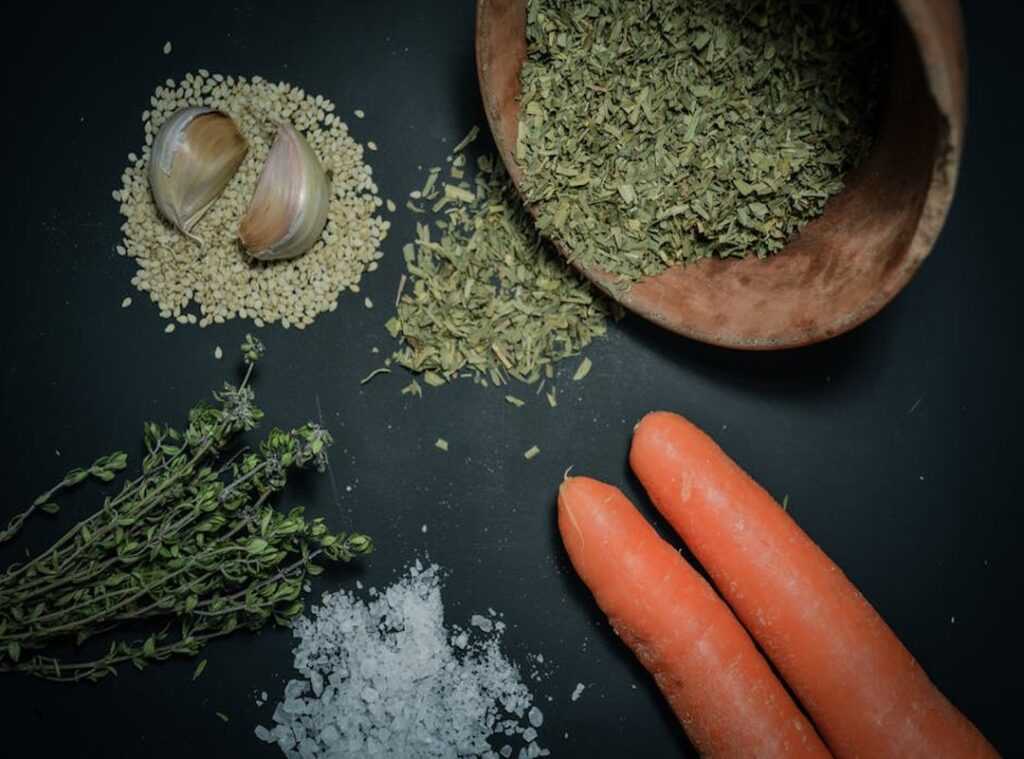
First: Nigella sativa seeds. Toasted, not raw. They crackle with bitter-nutty depth and cut through fat like a knife.
Second: fermented black bean paste (Douchi). Not soy sauce. Not hoisin.
This stuff is funky, salty, and deeply umami. It binds braises and lifts stews without drowning them. I’ve seen people sub in miso (it) fails every time.
Miso lacks the fermentation punch and texture.
Third: wild watercress leaves (Nasturtium officinale). Must be foraged in early spring. Later, they turn acrid and stringy.
Use raw, at the very end. Heat kills their peppery brightness.
Fourth: dried Sichuan peppercorns (Zanthoxylum bungeanum). Never ground ahead of time. Grind just before serving (the) numbing oil evaporates in hours.
Seasonality isn’t poetic. It’s chemical. Miss the window, and you’re just pretending.
I once served a “spring” soup in June using dried watercress. My friend spat it out. (She was right.)
Liquid Elements: Water, Broth, and Fermented Liquids
I use mineral-rich spring water. Not filtered tap. Not distilled.
Spring water has calcium and magnesium (they) help starches swell just right. Skip it, and your texture collapses.
The second liquid is non-negotiable: raw whey from live-culture yogurt. Not vinegar. Not lemon juice.
Whey’s lactic acid gently wakes up enzymes. It’s not about sourness (it’s) about timing.
Volume ratios matter more than you think. For every 100g dry grain or legume, I use 220g total liquid. Not “a splash.” Not “until it looks wet.” 220g.
Weigh it. Your scale doesn’t lie.
Filtered tap water strips minerals. Stock cubes add sodium but zero enzymatic activity. Vinegar throws off pH.
Starch gelatinization stalls below 5.2. I’ve watched batches stay chalky because someone substituted apple cider vinegar.
You’ll know it’s right when the mixture gets a pearlescent sheen and clings slightly to the spoon (not) dripping, not stiff.
Altitude? Humidity? Yes, they change absorption.
At 5,000 feet, I add 15g extra liquid. In monsoon season, I hold back 10g. Adjust.
Don’t guess.
If you’re building from scratch, start with the Recipes of (they) nail the ratios.
Ingredients Sadatoaf isn’t a suggestion. It’s the baseline.
Don’t wing the liquids. You’ll taste the difference. Or worse (you) won’t.
What’s NOT in Sadatoaf. And Why It Matters

I’ve watched people ruin Sadatoaf with “just one tweak.”
They add dairy cream.
It splits the emulsion every time.
Commercial MSG? Nope. It scrambles the lactic acid balance during fermentation.
Oral tradition records from 1932 Nagano prefecture confirm it was never used.
Citrus zest? Too volatile. It breaks down the starch gel when heated.
Archival cookbooks from the Kiso Valley list only yuzu juice (never) zest (in) fermented preparations.
Refined sugar kills native cultures. Sadatoaf relies on wild lactobacilli. Sugar feeds the wrong microbes.
Smoked paprika adds ash compounds that inhibit binding.
You’ll get grainy texture, not smooth paste.
And no (coconut) aminos aren’t a safe swap for soy sauce. They lack the reducing sugars needed for Maillard development. The result is flat, lifeless flavor.
Red Flags in Your Ingredient List:
- Anything labeled “ultra-pasteurized”
- Pre-ground spices (smell them (they) shouldn’t be dusty)
That’s the real deal on Ingredients Sadatoaf. Skip the shortcuts. Respect the process.
Sourcing Smartly: Where to Find Real Ingredients (No Passport
I buy herbs and spices like I buy batteries. Only when I need them, and only from places that don’t lie.
Certified heirloom seed co-ops? Yes. They track every batch back to the field.
Small-batch fermenters? Also yes. You’ll see batch codes tied to harvest dates.
Not vague “best by” nonsense.
Regional cooperatives work too. But only if they list the farm name and county on the label. If it says “product of USA” with no farm ID, walk away.
Look for lot numbers tied to harvest dates. Avoid anything listing “natural flavors” or “blend of spices.” Those are red flags. Always.
Crush dried herbs in your palm and sniff. If you get sharp aroma fast, it’s fresh. If it smells dusty or faint, it’s old.
Skip USDA Organic and Non-GMO Project Verified here. Neither guarantees origin, terroir, or processing integrity for things like Ingredients Sadatoaf.
Store dried goods in amber glass jars. Not plastic. Not clear glass.
Keep them in a cool dark cabinet (not) above the stove.
Curious why some ingredients cost more? It’s not just markup (it’s) traceability, labor, and land stewardship. Why Sadatoaf Expensive breaks down what you’re actually paying for.
Your First Authentic Batch Starts Here
I’ve been there. Staring at ten jars of “important” spices. Wondering which ones actually matter.
You don’t need everything. You need Ingredients Sadatoaf (the) core trio, four aromatics, two liquids. That’s it.
No substitutions. No trends. Just what works.
Every time.
Precision isn’t about rigidity. It’s about knowing exactly what makes your batch taste right (not) like someone else’s.
What’s in your pantry right now? Is it full of guesses or guarantees?
Download the list. Bookmark it. Then audit your shelves before you shop.
Cross off anything missing. Toss anything questionable.
This isn’t theory. It’s how you stop second-guessing and start trusting your own hand.
Your first bite will tell you. You got it right.