Why Mixed Renewables Make Sense on the Farm
Farms are energy hungry, but not in a one size fits all way. Traditionally, most operations have relied on diesel, grid electricity, or propane to run everything from irrigation pumps to refrigeration units. The problem? These sources are costly, fluctuate in price, and don’t always align with the unpredictable rhythms of daily farm work.
Energy use on a farm shifts with the seasons. Think irrigation and machinery during spring and summer, then heating and ventilation when winter hits. Harvest time spikes demand again. You can’t plan farm operations on a flat energy curve, which makes single source energy solutions inefficient or just plain unreliable.
This is where renewables step in and where blending them starts to make real sense. Solar handles long summer days. Wind can pick up the slack at night or during darker winter months. Biomass, sourced from leftover crop or animal waste, covers heating and backup power when solar and wind dip. Each one fills a gap the other leaves behind. The result? Smoother operations, fewer outages, and lower long term costs.
Mixed renewables don’t just power the farm they make the whole system smarter. It’s not about picking a favorite. It’s about getting them to work together.
Solar Power
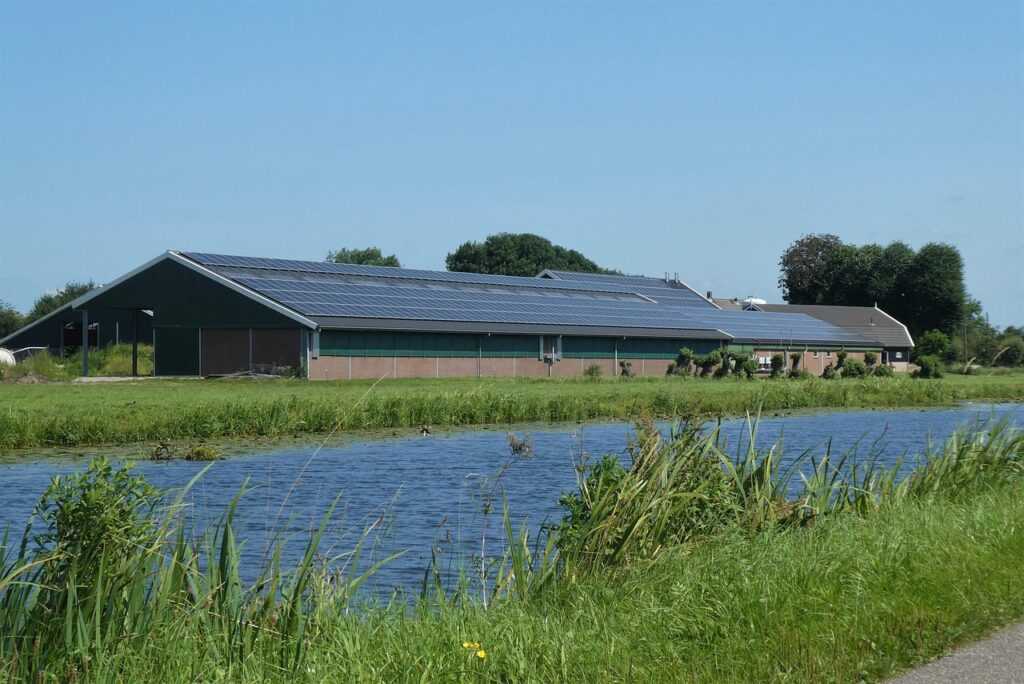
Solar is the workhorse of on farm renewables. It’s affordable, relatively easy to install, and scales from a single panel to full roof setups. More importantly, it syncs with when farms need energy most during the day. That makes it a solid match for irrigation pumps, greenhouse lighting, and charging electric machinery or tools. Whether it’s a few kilowatts to keep operations buzzing or a full blown solar array, the entry point is lower than ever.
Wind Energy
Where solar fades, wind can pick up the slack. Turbines don’t need sunlight, just open skies and a good breeze. That makes them a strong complementary source for nights, cloudy days, or off seasons. While wind isn’t always steady, pairing it with solar can smooth out gaps in generation. Think of it less as a standalone solution and more as the balancing partner in a hybrid system.
Biomass and Bioenergy
Biomass closes a crucial loop taking waste and turning it into energy. Crop leftovers, manure, and wood chips become fuel, not trash. In colder regions, it’s especially useful for heating barns, greenhouses, or on site buildings. And when the grid’s down or the sun’s not shining, it doubles as dependable backup power. Bioenergy isn’t as plug and play as solar, but when it’s dialed in, it makes the whole system more resilient.
Smart Storage and Grid Integration
Balancing Supply with Smart Battery Systems
Renewable sources like solar and wind are by nature inconsistent. To maintain a stable energy flow, especially on farms with unpredictable loads, battery storage systems are essential. These systems store excess power during peak production and release it when demand spikes or when the sun isn’t shining or the wind isn’t blowing.
Key benefits of battery systems:
Ensure uninterrupted power for equipment and operations
Maximize the use of onsite renewable generation
Reduce reliance on diesel generators or costly external supply
Off Grid vs. Grid Tied: What’s Best for Your Farm?
Deciding whether to go completely off grid or stay connected depends on several factors, including farm size, location, and energy needs.
Off Grid Systems:
Offer complete energy independence
Require larger upfront investment in storage and backup systems
Ideal for remote farms with limited grid access
Grid Tied Systems:
Allow you to sell excess power back to the utility (net metering)
Reduce storage costs because the grid acts as a backup
Benefit from grid stabilized voltage and reliability
Tip: Hybrid setups where farms are grid connected but have battery backups offer the most flexibility and can be scaled over time.
ROI Timelines & Incentives Farmers Shouldn’t Miss
Renewable tech is a long term investment, but shorter payback periods are increasingly common thanks to financial programs and smarter tech.
Ways to accelerate ROI:
Federal and state clean energy tax credits
Utility level rebates for grid tied systems
Grants and loan programs specific to agriculture and energy efficiency
What this means for your operation:
Many farms recover their investment within 5 7 years
Significant operational cost savings kick in early
Reduced exposure to fluctuating fuel and energy prices
Understanding your regional programs and working with experienced installers can greatly improve your financial outcomes.
In short: smart storage and smart planning turn renewable energy from an expense into a farm asset.
Real World Proof: Multi Source Renewable Farms

It’s one thing to talk about solar, wind, and biomass in theory but real farms are already making the triple system work. From mid size apple orchards in the Northeast to grain farms in the Midwest, operations that integrate multiple renewable sources are posting numbers that go beyond just cutting energy bills.
Take Twin Ridge Farms, for example. They combined an onsite solar array, a small scale wind turbine, and a biomass digester that turns livestock waste into usable energy and compost. The result? A drop in diesel generator use by 80%, irrigation running fully on solar, and downtime during storms cut to near zero.
Energy savings are just the start. Many hybrid renewable farms report tighter water management (thanks to smart systems powered by clean energy), higher crop yield due to stable environmental controls, and fewer interruptions in cold storage or greenhouse heating. And that’s not just anecdotal it’s repeatable.
Want a closer look? These renewable farm case studies show real numbers, real equipment setups, and the kind of operational clarity that makes people switch.
Cost vs. Payoff: What Farmers Should Know Now
Installing renewable energy on a farm isn’t cheap. Between solar panels, wind turbines, storage batteries, and biomass systems, upfront costs can feel like a wall. But here’s the thing energy independence means you’re not stuck with rising utility bills year after year. Over time, your system pays for itself and then some, especially when energy prices spike or grid instability grows.
Key point: don’t skip the research on tax incentives, grant programs, or local subsidies. There’s real money on the table from the federal Investment Tax Credit (ITC) to state level rebates and rural energy funding. In some regions, those incentives can cut your installation costs by 30 to 60%.
Strategic planning is where things really accelerate. Sizing your system right, timing installations to align with grant cycles, and choosing the right mix of technologies means your payback period shrinks. A well planned hybrid setup might break even in less than five years. After that, it’s all gain. Think of it as long term infrastructure that works for you season after season.
Moving Toward a Fully Sustainable Operation
Smart renewables aren’t hypothetical anymore they’re already reshaping how farms run. By pairing solar, wind, and biomass, producers aren’t just cutting utility bills. They’re building resilience into systems that used to buckle with every blackout or fuel spike. Grid connections become backup plans instead of lifelines. And by meeting more of their own energy needs, farmers reduce their carbon footprint without sacrificing reliability.
Local communities feel the ripple effects too. Fewer diesel deliveries mean cleaner air. Smarter energy systems keep local grids steadier during peak demand. Plus, renewable projects often create skilled jobs right where they’re deployed.
The real win is how these technologies play off each other. Solar and wind may have off hours, but together with help from stored bioenergy they can smooth out supply dips. It’s not just additive. It’s exponential. The more sources working together, the more control, coverage, and payoff.
If the goal is a leaner, cleaner farm that can ride out whatever the future throws at it climate, costs, or connection issues then smart renewables aren’t just the future. They’re now.