As the global shift towards cleaner energy accelerates, businesses are rethinking how they operate and what role they play in environmental stewardship. One investment gaining significant traction is electric vehicle charging hubs. Beyond meeting the practical needs of an increasingly electric fleet, installing an electric vehicle charging hub demonstrates a tangible commitment to sustainability, one that can deliver measurable benefits for your business, your community, and the planet.
The business case for EV charging goes far beyond simply keeping up with trends. It’s about future-proofing your operations, reducing your carbon footprint, and positioning your organisation as a leader in the transition to a low-carbon economy. For businesses operating in sectors like agriculture, logistics, or retail, where vehicle use is substantial, the shift to electric mobility represents both an opportunity and a responsibility.
The Environmental Case for EV Charging
Transportation accounts for a significant portion of global carbon emissions. As governments worldwide introduce stricter emissions targets and phase out internal combustion engines, electric vehicles are becoming the norm rather than the exception. By investing in EV charging infrastructure, businesses directly contribute to reducing greenhouse gas emissions and improving air quality.
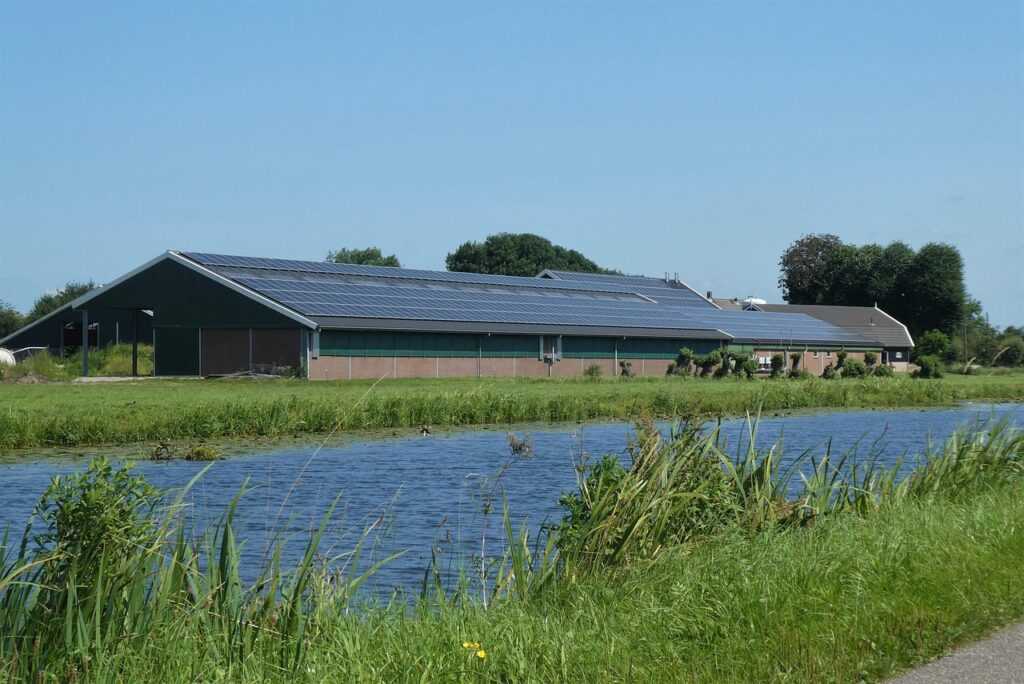
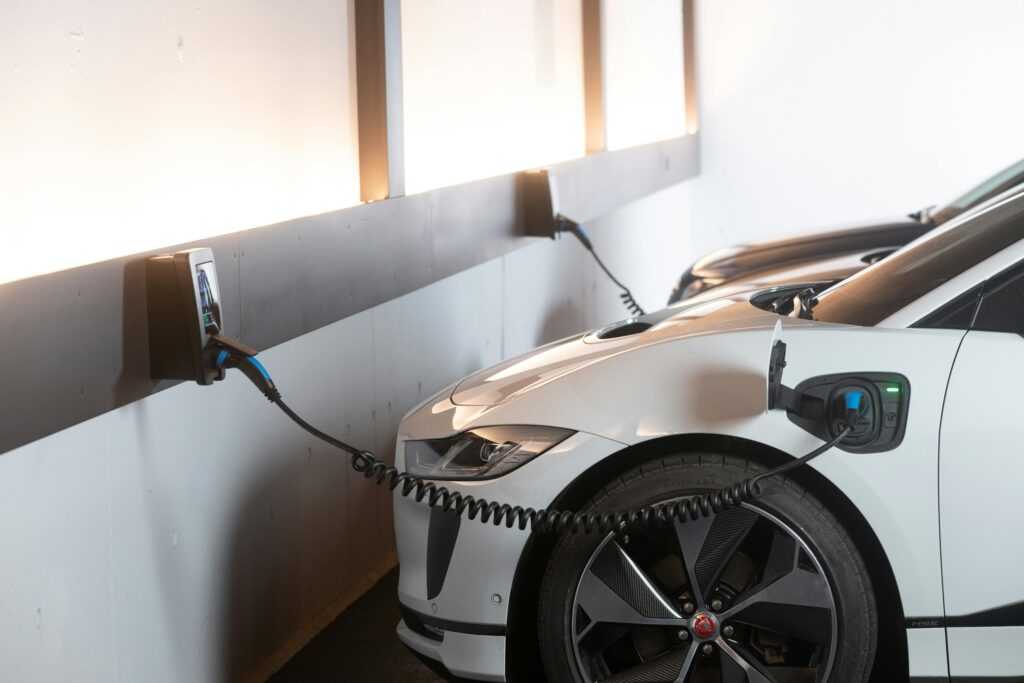
Installing an electric vehicle charging hub on your premises enables employees, customers, and fleet vehicles to charge using cleaner energy sources. When paired with renewable energy generation, such as solar panels, the environmental benefits multiply. This creates a closed-loop system where your business generates clean energy, uses it to power vehicles, and minimises reliance on fossil fuels.
Sustainability isn’t just about doing less harm; it’s about actively contributing to positive change. Businesses that invest in EV charging signal to stakeholders that they’re serious about environmental responsibility. This can strengthen your brand reputation, attract eco-conscious customers, and differentiate you from competitors still relying on outdated infrastructure.
Financial Benefits and Long-Term Savings
Whilst the upfront costs of installing EV chargers may seem daunting, the long-term financial benefits are compelling. Electric vehicles are significantly cheaper to run than petrol or diesel alternatives. Lower fuel costs, reduced maintenance expenses, and fewer mechanical failures translate into substantial savings over time.
For businesses managing their own fleets, electrification can cut operational costs dramatically. Charging vehicles overnight using off-peak electricity rates further reduces expenses. Additionally, many governments offer grants, tax incentives, and rebates to businesses investing in EV infrastructure, helping to offset initial installation costs.
Beyond direct savings, installing EV charging stations can generate new revenue streams. Public-facing charging points can attract customers who spend time at your premises whilst their vehicles charge. Retailers, hospitality venues, and service providers can leverage this opportunity to increase foot traffic and boost sales.
Investing in the right electrical infrastructure now also protects your business from future costs. As electric vehicles become ubiquitous, retrofitting older buildings with charging capabilities will be more expensive and disruptive than integrating them from the outset. Forward-thinking businesses that act now will avoid playing catch-up later.
Attracting and Retaining Talent
Employees increasingly consider a company’s environmental values when choosing where to work. Offering EV charging as a workplace benefit demonstrates that your business cares about sustainability and supports employees in making greener choices.
Providing convenient charging facilities can be a deciding factor for employees considering switching to electric vehicles. It removes a significant barrier, range anxiety and access to charging, and shows that your business is invested in their wellbeing and the planet’s future.
For businesses operating in rural or remote areas, where public charging infrastructure may be limited, on-site charging becomes even more valuable. It signals that your organisation is progressive, adaptable, and committed to supporting employees in ways that align with modern values.
Enhancing Corporate Social Responsibility
Corporate social responsibility (CSR) is no longer optional. Stakeholders, from investors to customers, expect businesses to demonstrate genuine environmental commitments. Installing an electric vehicle charging hub is a visible, measurable action that reinforces your sustainability credentials.
Including EV infrastructure in your CSR strategy shows that your business is proactive rather than reactive. It’s not just about compliance with regulations; it’s about leadership. Businesses that lead on sustainability often enjoy stronger stakeholder relationships, improved investor confidence, and enhanced public perception.
Transparency is key. Communicate your investment in EV charging through your website, annual reports, and social media. Share data on usage, emissions reductions, and the impact on your carbon footprint. This openness builds trust and demonstrates accountability.
Supporting the Transition to a Low-Carbon Economy
The transition to electric vehicles is happening rapidly, but the infrastructure must keep pace. Businesses have a crucial role to play in expanding charging networks, particularly in areas where public provision is lacking.
By installing EV chargers, your business contributes to a broader ecosystem that supports electric mobility. This collective effort accelerates the transition away from fossil fuels and helps achieve national and global climate targets.
For businesses in agriculture or food production, where sustainability is increasingly scrutinised, investing in EV infrastructure aligns with broader commitments to environmental stewardship. It demonstrates that your operations are evolving to meet the challenges of climate change head-on.
Practical Considerations for Installation
Installing EV charging infrastructure requires careful planning. Start by assessing your current electrical infrastructure to determine whether upgrades are needed. Older buildings may require significant modifications to support the additional load, whilst newer constructions might have capacity already in place.
Consider the number of charging points needed based on your fleet size, employee numbers, and expected customer usage. Fast chargers are ideal for public-facing locations where quick turnaround is essential, whilst slower chargers suit workplace environments where vehicles remain parked for extended periods.
Location matters. Chargers should be easily accessible, well-signposted, and integrated into existing parking arrangements. Ensure adequate lighting and safety measures are in place, particularly for chargers used outside business hours.
Partnering with experienced installers ensures compliance with regulations and maximises efficiency. Look for providers who offer ongoing maintenance and support, as this minimises downtime and ensures chargers remain operational.
A Strategic Investment in Sustainability
Investing in EV charging infrastructure is more than a sustainability initiative; it’s a strategic business decision. It reduces costs, enhances your brand, attracts talent, and future-proofs your operations. As electric vehicles become the standard, businesses with established charging infrastructure will be better positioned to thrive.
The shift to electric mobility is inevitable. Businesses that embrace this change now will reap the benefits for years to come. Whether you’re electrifying a fleet, supporting employees, or attracting customers, installing an electric vehicle charging hub is a practical, impactful step towards a more sustainable future.
The time to act is now. Start planning your EV charging installation and take your place at the forefront of the sustainability movement.