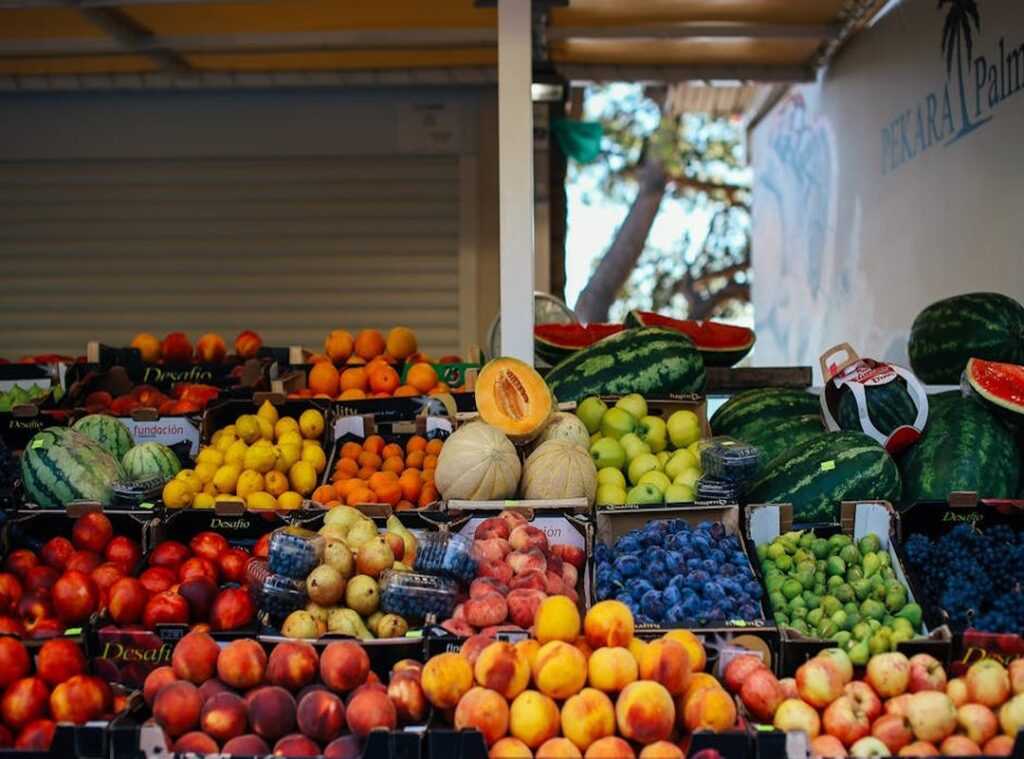
You bite into a strawberry. Juice floods your mouth. Sweet.
Sharp. Alive.
That’s not happening in your kitchen right now.
I know. Because I’ve watched too many people buy beautiful fruit, then just eat it plain or dump it into a blender. Like fruit has only one job.
It doesn’t.
Fruit belongs in pan sauces. In grain bowls. Under roasted chicken.
Folded into savory yogurt. Caramelized into breakfast compotes.
Not as an afterthought. As a main character.
I’ve cooked with fruit every season for years. Tested hundreds of preparations. Threw out the ones that tasted like dessert trying to be dinner.
Kept the ones that worked. Balanced, textural, simple enough for Tuesday night.
This isn’t about fruit salads.
It’s about Fresh Fruit Cwbiancarecipes that change how you think about meals.
No vague suggestions. No “just add berries.” Real techniques. Real timing.
Real results.
You’ll learn how to use fruit like chefs do. Not as garnish, but as structure.
And yes, it works even if your stove is tiny and your knife skills are questionable.
Let’s fix the gap between what fruit can do and what it does in your kitchen.
Fruit Isn’t Just for Dessert (It’s) Your Secret Weapon
I put mango in fish cakes. Not as garnish. As structure.
Its acidity cuts heat, its enzymes tenderize the fish, and its sweetness balances lime and chile without sugar.
That’s not a trend. It’s chemistry. Fruit brings natural acidity, pectin, and proteolytic enzymes.
All working while you cook.
You think fruit doesn’t belong with meat? Tell that to Persian cooks slow-simmering pomegranate and walnuts into fesenjan. Or Mexican chefs roasting tomatillos and green apples for mole verde.
Or Indian kitchens grinding mangoes into chutney for lamb.
Here’s what actually works:
Mango in Thai-style fish cakes: add it raw, folded in last. Heat destroys its bright acidity.
Roasted figs with blue cheese and pork chops: roast figs separately, then nestle them on top. They collapse if cooked with the meat.
Green apple slaw for pulled chicken: toss matchsticks with lemon juice and salt five minutes before serving. Salt pulls out water, so they stay crisp.
Don’t dump fruit into hot grain bowls. Let grains cool first. Then add fruit.
Otherwise (mush.)
Salting fruit before sautéing? Yes. It draws out moisture and concentrates flavor.
Try it with pears in a pan sauce.
You’re already doing this. You just didn’t call it Cwbiancarecipes.
Fresh Fruit Cwbiancarecipes isn’t a gimmick. It’s how food stays alive on the plate.
Skip the dessert-only rule. It’s outdated. And boring.
When Fruit Actually Tastes Like It Should
Spring hits and I grab rhubarb before anyone else notices it’s back.
It’s tart, fibrous, and nobody cooks it right.
Google it.)
Roasted rhubarb compote with labneh and toasted walnuts is my spring reset. (Yes, rhubarb stalks are the only edible part. Leaves = poison.
Summer? Nectarines. Not peaches.
Peaches get all the love. Grill them whole for 90 seconds per side (just) enough to caramelize but hold shape. Then pair with harissa-marinated halloumi.
Done.
Fall means apples (but) not the ones from January. Go for Honeycrisp or Roxbury Russet. Slightly firm.
They’ll hold up in a skillet without turning to mush.
Winter citrus is easy. But pomegranates? Most people crack them wrong.
Smack the arils out over a bowl of water. Less mess. More juice.
Ripeness isn’t about softness. It’s about intent. Slightly underripe peaches grill clean.
Overripe bananas? Perfect for Fresh Fruit Cwbiancarecipes crepes (but) useless as garnish.
Cherries last longer than you think. Quick-pickle them in vinegar, sugar, and black pepper. Blackberries freeze better if you spread them on a tray first (then) bag.
No clumps.
You’re not cooking at the season. You’re cooking with it. That changes everything.
Fruit Doesn’t Need Fancy (Just) Five Moves
I roast fruit dry. No oil. Just high heat in a cast-iron pan.
Pineapple gets golden at the edges in 6 minutes. Plums split and caramelize in 8. Apples go soft but hold shape (10) minutes, flip once.
You’ve tried roasted fruit before. But did you skip the dry part? Oil steams it.
You want sear, not steam.
Quick-poach pears or peaches in rosemary, honey, and lemon zest. Simmer low. Bubbles barely breaking the surface.
Test with a fork: tender, yes, but still holding together. Overcook and they vanish into soup.
Salting watermelon or cucumber first isn’t optional. It pulls out water via osmosis. Sprinkle coarse salt.
Wait 15 minutes. Pat dry. Your salsa won’t drown the chips.
Pureed raspberries thicken vinaigrettes better than mustard.
Mashed banana binds gluten-free pancakes without eggs. Stewed apples make vegan “cream” sauces rich (no) cashews required.
Flash-brine citrus segments for 10 minutes in equal parts salt, sugar, and fresh juice. It lifts brightness. Cuts bitterness.
Makes grapefruit taste like itself again. Not medicine.
All of this is in the Cwbiancarecipes Fresh Food collection. Not theory. Actual recipes tested on real people who hate soggy fruit.
Fresh Fruit Cwbiancarecipes isn’t about more steps. It’s about fewer mistakes.
You don’t need a blender. You don’t need syrup. You just need to know which move fixes your problem right now.
Salt first? Roast dry? Brine fast?
Pick one. Try it tonight.
Does your peach fall apart when you slice it? Then you’re simmering too hard.
Does your salsa pool on the plate? You skipped the salt step.
Does your citrus taste flat? You didn’t brine.
Fruit-Forward Meals That Actually Work
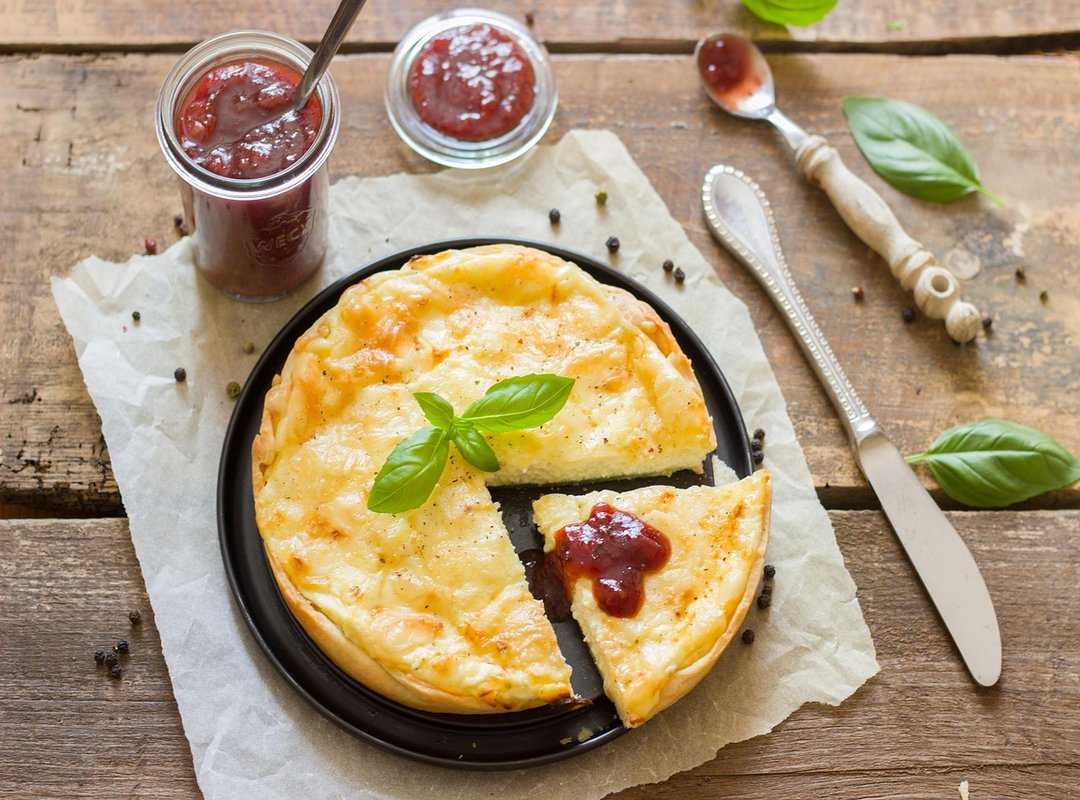
I build meals around fruit (not) as garnish, but as the anchor.
Grilled peach + arugula + burrata + prosciutto + balsamic reduction. That’s my go-to light lunch. The peach brings juice and sweetness.
Arugula adds bitter bite. Burmatta is rich fat. Prosciutto is salt.
Balsamic? Acid. All five elements balance each other.
No one flavor wins.
Cider-braised pork shoulder with roasted apples, caramelized onions, mustard greens. Apples cut through the fat like a cold shower. They add sweetness without sugar.
Just natural fructose and tartness. Roast them until they hold shape but give when pressed.
Ricotta-stuffed French toast with spiced pear compote and candied pecans. Make the compote ahead. Toast the pecans in batches. Texture layering is non-negotiable: creamy, chewy, crunchy, juicy (all) in one bite.
Blackberries missing? Use huckleberries, boysenberries, or frozen unsweetened raspberries. Thaw raspberries fully and drain well (less) water = better sear or roast.
Every fruit-forward dish needs at least three contrasting textures or temperatures. That’s the rule of three. Break it, and the dish collapses.
Fresh Fruit Cwbiancarecipes works because it respects that rule. Not because it’s trendy. Right now, in late summer, peaches are peaking.
Use them while they last.
Fresh Fruit Cwbiancarecipes: Don’t Ruin Good Fruit
I’ve watched people turn perfect peaches into baby food. Just by cooking them two minutes too long.
Peaches should yield slightly to gentle pressure (not) collapse. That’s your cue. Stop.
Now.
Apples browning? It’s not magic. It’s oxidation.
Toss them with 1 tsp lemon juice per ½ cup. right before serving. Not thirty minutes before. Not while you scroll Instagram.
Right before.
Salt changes everything. A pinch before roasting wakes up the fruit’s flavor. A flaky finish after adds dimension.
Skip either and you’re leaving taste on the counter.
Skin matters more than you think. Underripe pears? Peel them.
Organic apples? Leave the skin on (for) color, fiber, and bite. And those orange peels you’d toss?
Dry them. They’re gold in tea or spice rubs.
Compote too thin? Likely cause: watery fruit or undercooking. Fix: simmer uncovered 3 (5) minutes longer.
Or stir in ¼ tsp arrowroot slurry.
You don’t need fancy gear. You need attention.
And if you’re frying fruit (yes, it’s a thing), the Frying Guide Cwbiancarecipes covers what most blogs skip.
Start Cooking with Fruit. Tonight
I’ve shown you how Fresh Fruit Cwbiancarecipes work. Not as garnish. Not as afterthought.
As real food. Sharp, sweet, savory, alive.
You already have what you need. That half-rotten apple? The bruised banana?
The bag of grapes you forgot about? That’s your starting point.
Fruit isn’t waiting for a special occasion. It’s waiting for you to say yes.
So pick one fruit you see right now. Open the fridge. Grab it.
Then flip to section 3. Choose one technique. Just one.
Roast it. Sear it. Mash it.
Salt it.
Do it tonight. No shopping. No prep list.
No permission slip.
Your kitchen doesn’t need more ingredients (it) needs permission to play. Go taste the difference.