
You’re tired of being told “it’s all in your head” when your body aches, your energy crashes, and your stress won’t quit.
I’ve been there. Sat in that same exam room. Left with a prescription and zero answers.
Conventional medicine saves lives (no) argument there. But it doesn’t always help with the slow burn of chronic fatigue, nagging pain, or the kind of stress that rewires your nervous system.
That’s why I stopped waiting for someone else to connect the dots.
This isn’t about swapping one dogma for another. It’s about what actually works. Practices tested over decades, not just six months on Instagram.
We skip the hype. We skip the fads. We focus on real tools.
Things like breathwork, movement that fits your body, and nutrition that doesn’t require a PhD to follow.
Falotani is one of those grounded, time-tested pieces (not) magic, but meaningful.
You’ll get a clear path forward. Not a list of ten things to try tomorrow. A real roadmap.
One that fits your life. Not someone else’s idea of wellness.
What “Alternative Wellness” Really Means
It’s not a rebellion. It’s not a replacement. It’s just another way to take care of yourself.
Alternative wellness means using non-mainstream practices. Like acupuncture, herbal protocols, or breathwork (to) support health. Some people use them instead of conventional care.
Others use them alongside it. That difference matters.
Complementary = used with your doctor’s plan. Integrative = when both are coordinated, intentionally. Alternative = chosen in place of standard care.
(That last one trips people up.)
Does that mean it’s anti-science? No. Not unless you ignore lab results to chase moon water.
Real alternative wellness starts where evidence lands (not) where it ends.
I’ve seen patients lower blood pressure with guided meditation and their prescribed meds. I’ve also seen others ditch insulin for green juice. One is thoughtful.
The other is dangerous.
Think of your health toolkit like a drawer full of tools. A hammer works great for nails. But you wouldn’t use it to tighten a screw.
Or fix a leak. Or sharpen a knife.
Falotani is one of those tools. Not the only one. Not the answer to everything.
Just one option with its own strengths (and) limits.
You don’t need to pick sides. You need clarity.
Is the practice studied? Is the provider licensed? Does it interfere with what you’re already doing?
Ask those questions first. Everything else follows.
Your body doesn’t care about labels. It cares whether something works. And whether it’s safe.
Mind-Body Relief: What Actually Works
I used to think “mind-body connection” was just wellness-speak. Turns out it’s anatomy. Physiology.
Real nerves firing. Real hormones surging.
Stress tightens your shoulders. Anxiety spikes your heart rate. Grief can make you ache all over.
That’s not metaphor. That’s your nervous system shouting.
Mindfulness and meditation cut through that noise. Not by emptying your head (impossible), but by giving your attention a place to land. Like the 1-Minute Breath Anchor:
Sit.
Feel your feet on the floor. Breathe in. Count to four.
Hold (count) to two. Breathe out. Count to six.
Do it once. Right now.
Did your jaw unclench? Even a little? Good.
That’s your parasympathetic system waking up.
Yoga isn’t stretching for Instagram. It’s slow, loaded movement that teaches your brain you’re safe while your body moves. I’ve seen people with chronic back pain walk without wincing after six weeks of gentle yoga.
Not because muscles got stronger (because) their threat response dialed down.
Tai Chi is the same idea, just slower and more deliberate. One study found it reduced fall risk in older adults more than standard balance training. Why?
I covered this topic over in Falotani Roots Blend.
Because it trains attention and posture at once.
Acupuncture works (even) if you don’t believe in qi. Needles trigger local blood flow, nerve modulation, and endorphin release. It’s been used for decades in clinical settings for migraine and osteoarthritis pain.
The NIH backs it for certain types of chronic pain.
None of this replaces urgent care or meds when you need them. But it does give you agency. A lever you can pull yourself.
Falotani? I tried it once. Didn’t stick.
But I respect that some people swear by it. Your body tells the truth. Listen first.
Food Is Not Just Fuel
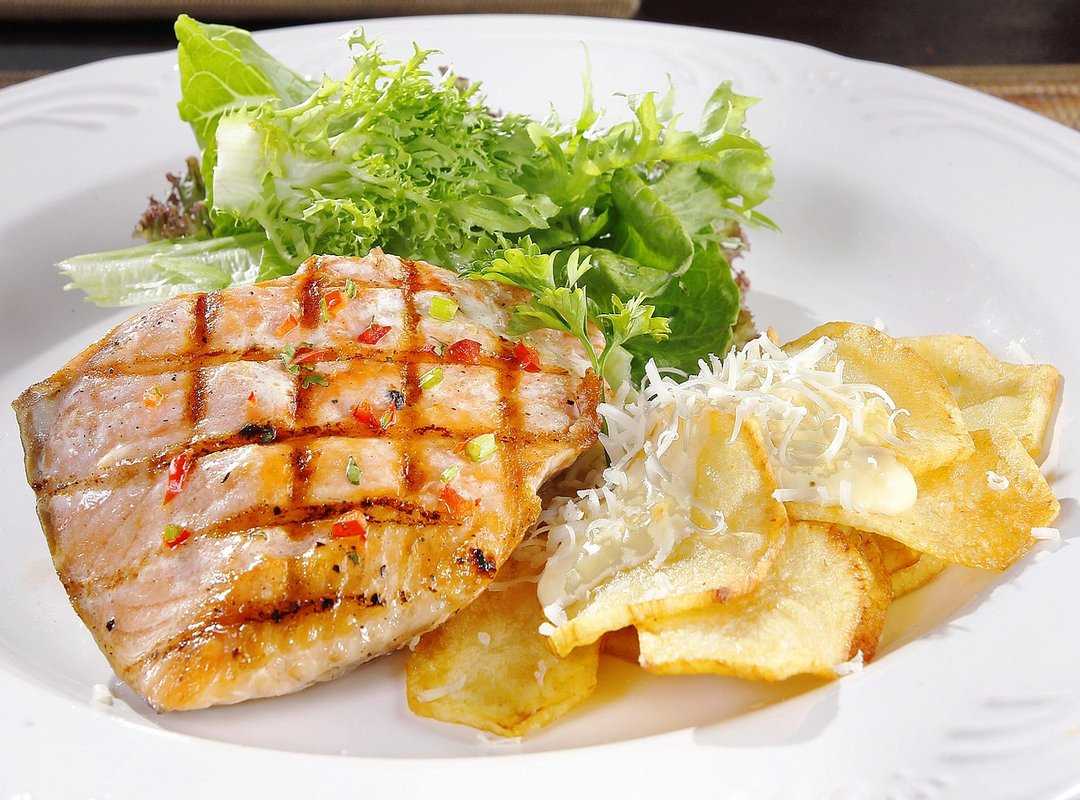
I eat to feel better. Not just full. Better.
Inflammation is the quiet hum behind most chronic issues. Joint pain. Brain fog.
Low energy. You know it when it’s there.
An anti-inflammatory diet isn’t about restriction. It’s about choosing foods that dial down that hum.
Turmeric. Ginger. Blueberries.
Spinach. Walnuts. Green tea.
Garlic.
These aren’t magic. They’re packed with compounds that calm immune overreaction. Turmeric has curcumin.
Ginger has gingerol. Berries flood your system with anthocyanins. None of them need a lab coat to work.
But don’t mistake “natural” for “harmless.”
Ashwagandha helps your body handle stress (not) by sedating you, but by regulating cortisol response. I’ve used it during high-pressure deadlines. It works.
But it also interacts with thyroid meds and blood pressure drugs.
Peppermint oil capsules? Proven for IBS-related cramping. The menthol relaxes smooth muscle in your gut.
Simple. Effective. Also risky if you have GERD or gallbladder disease.
Herbs are potent. They’re not candy.
Which brings me to Falotani.
It’s a traditional root blend. I respect its lineage. But I won’t tell you to take it without knowing your labs, meds, or health history.
That’s why I say this plainly:
Talk to a real healthcare provider before you change anything.
Not a blogger. Not an influencer. Not even me.
A licensed professional who knows your body.
Falotani Roots Blend Cultural Traditions Sandtris is rooted in practice. Not hype.
But roots don’t override physiology.
You wouldn’t start statins without a cholesterol check. Don’t start adaptogens without context.
Your gut, your hormones, your liver. They all process these things.
Skip the guesswork.
Get tested. Get guidance.
Then eat well. Then breathe. Then decide.
How to Pick What Actually Works for You
There are too many options. Too many names. Too much hype.
I’ve watched people try five things in one month just because someone said it was “natural.”
It’s exhausting. And dangerous if you skip the basics.
Here’s what I do instead:
1) Look for real evidence (not) testimonials, not vibes, actual studies
2) Check credentials (not just a certificate on a wall)
3) Talk to your doctor before you spend money or change meds
4) Pay attention when your body says no
That last one? It’s non-negotiable. Your gut knows more than most influencers.
You don’t need the trendiest thing. You need what fits your energy, schedule, and history.
Falotani sounds cool until you realize no peer-reviewed paper mentions it.
Does it work for you (or) just for Instagram?
Start small. Stay skeptical. Trust your own data over someone else’s headline.
Your Body Isn’t a Template
You’re tired of being told one plan fits all. It doesn’t. And you know it.
I’ve seen how rigid systems leave people feeling worse. Not better. Falotani starts where you are. Not where some textbook says you should be.
Mind. Body. Food.
They’re not separate. You don’t need to overhaul everything today. Just pick one thing from this article.
The 1-minute breath. Turmeric in your eggs. Five minutes without screens.
That’s it. No guilt. No pressure.
No perfection.
Progress lives in the small choices you actually keep.
Not the big promises you break by Wednesday.
So (what’s) your one thing? Do it before bedtime tonight. Then do it again tomorrow.
You’ve got this.
And you’re already further along than you think.