The food world is screaming at you.
Every week a new trend goes viral. Kale chips. Cloud bread.
Charcoal everything. Most of it vanishes before you’ve even tried it.
I’ve spent years working in kitchens, farms, and community food programs. Not just watching trends (I’ve) seen which ones stick. Which ones feed people.
Which ones change systems.
Most so-called “trends” are just packaging tricks. This isn’t that.
Fhthgoodfood Latest Food Trends by Fromhungertohope cuts through the noise. It’s not about what’s Instagrammable. It’s about what’s necessary.
Sustainability. Real community. Purpose behind every plate.
I’ve watched these movements grow from small kitchens into real change. You’ll get the same clarity here.
No fluff. No hype.
Just the trends that actually matter (and) why they do.
The Zero-Waste Kitchen: Not Just Compost Bins
I don’t care how pretty your compost bin is. If you’re still tossing carrot tops, broccoli stems, and herb stems, you’re not doing zero-waste. You’re just recycling guilt.
Fhthgoodfood tracks this stuff for real. Not the Pinterest version. The one where your trash can stays half-empty and your pantry gets smarter.
Stale bread turns into croutons or breadcrumbs. No magic required.
Zero-waste cooking means using the whole ingredient (not) because it’s trendy, but because it’s logical. Carrot tops become pesto. Broccoli stems get shaved into slaws.
You think “nose-to-tail” only applies to meat? Wrong. It applies to squash too.
Roast the seeds. Blend the flesh. Dry and powder the skin for garnish.
I’ve done it. It works.
Some people call it “root-to-stem.” I call it not throwing away flavor. Peels hold oils. Stems hold crunch.
Tops hold bitterness that balances sweetness. Ignore them, and you’re missing half the dish.
Preserving isn’t grandma’s hobby anymore. It’s your fridge’s insurance policy. Ferment scraps.
Freeze herb stems in oil. Dehydrate citrus rinds. One jar of lemon peel powder lasts six months.
And yes (it’s) stronger than store-bought.
This isn’t about perfection. It’s about respect. For the soil.
For the labor. For the water used to grow that food.
The food system is stretched thin. Wasting 30% of what we grow isn’t sustainable. It’s reckless.
Fhthgoodfood Latest Food Trends by Fromhungertohope shows how chefs and home cooks are closing that gap (not) with apps or gadgets, but with knives and jars.
You don’t need a new appliance. You need attention.
What’s in your compost bin right now?
Is it food. Or just laziness disguised as virtue?
Start small. Pick one scrap this week. Turn it into something edible.
Then do it again.
Hyper-Local Sourcing: Not Just a Farmers’ Market Phase
I used to think “local” meant buying tomatoes at the Saturday market. Then I watched a 5th grader harvest kale she planted in March. That kale went straight into the school cafeteria lunch that same day.
That’s hyper-local sourcing. Not just nearby. Not just seasonal.
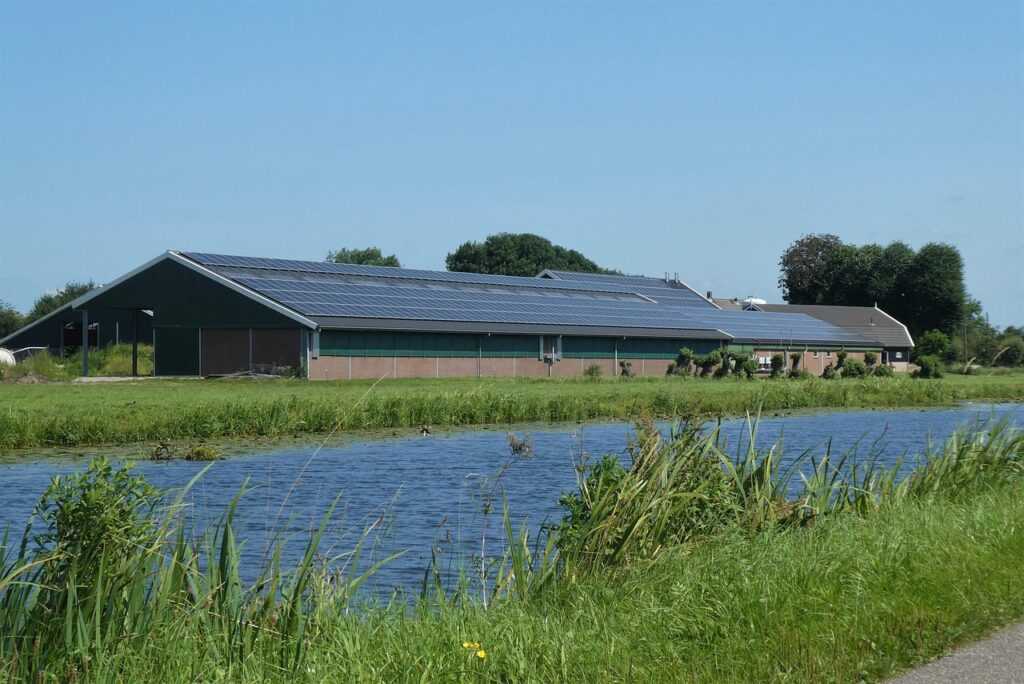
But grown, picked, and served within walking distance. Sometimes inside the same fence line.
It kills the supply chain. No refrigerated trucks. No middlemen marking up prices.
No week-old greens labeled “fresh.”
A restaurant in Portland did this with a public school garden. They paid the kids $15/hour to tend the beds. The chef took weekly harvests for dinner service.
The students got nutrition lessons, real wages, and pride in feeding their neighbors.
You taste the difference. Spinach that hasn’t lost its bite after three days in transit? Yes.
Carrots pulled at sunrise and roasted by noon? Absolutely.
But here’s what no one talks about enough: this isn’t just flavor. It’s cash flowing directly into families who’ve been shut out of food systems for decades. It’s teachers getting budget relief because the garden covers part of lunch costs.
It’s resilience (when) a storm knocks out highways, the food still moves.
Does it scale? Not like industrial farming. And thank god for that.
Fhthgoodfood Latest Food Trends by Fromhungertohope tracks how these small loops are spreading (slowly,) stubbornly, without fanfare.
This isn’t nostalgia. It’s infrastructure. Built by hand.
Fed by kids. Served on real plates.
Pro tip: Ask your favorite café where their herbs come from.
If they don’t know the grower’s name, they’re not hyper-local yet.
Upcycled Food: What It Really Means
Upcycled food isn’t just buzzword salad.
I wrote more about this in Advice on nutrition fhthgoodfood.
It’s making something good out of what someone else threw away.
I mean actually thrown away (like) fruit pulp from cold-pressed juice bars, spent oat grounds from oat milk factories, or bruised tomatoes no grocery store will stock. Not compost. Not animal feed. Food.
That bag of crunchy apple-peel chips you saw at Whole Foods? Upcycled. The savory miso paste made from rejected soybeans?
Upcycled. The flour in your pancake mix labeled “upcycled barley”? Yep.
That’s it.
Upcycled food has to meet two hard rules: it must use ingredients that would’ve been wasted, and it must be safe, nutritious, and tasty.
No loopholes. No greenwashing.
Big brands are doing it now. Not as a side project, but as core product lines. Small startups are building entire businesses on rescued sweet potato skins and spent coffee grounds.
This isn’t niche anymore. It’s scaling fast.
And it matters because one-third of all food produced globally gets tossed. Not spoiled. Not unsafe.
Just discarded. That’s 1.3 billion tons a year. You can’t fix climate change without fixing that.
Does upcycled taste different? Sometimes. But not worse.
I tried the carrot-top pesto. It was bright. Sharp.
Better than half the basil versions I’ve bought.
Want real-world context on how this fits into daily eating? Advice on Nutrition Fhthgoodfood breaks down how to spot real upcycled products. Not just packaging that says “sustainable.”
Fhthgoodfood Latest Food Trends by Fromhungertohope puts this front and center. Because flavor shouldn’t cost the earth. And waste shouldn’t be invisible.
You’re already buying upcycled food.
You just didn’t know the label yet.
Plant-Forward Isn’t a Diet (It’s) Common Sense
I eat meat. I also skip it three days a week. That’s plant-forward.
It’s not vegan. It’s not vegetarian. It’s plant-forward: plants lead, animals follow (if) they show up at all.
You don’t need to swear off bacon to cut your carbon footprint. Just shift the balance. One less steak a week drops emissions more than buying local beef every time.
Health wins too. Less processed meat. More fiber.
Fewer blood pressure spikes. Real data backs this (not) hype.
Chefs get it. They’re roasting whole carrots like steaks. Turning lentils into “tuna” salad.
Serving squash blossoms stuffed with ricotta instead of chicken piccata.
That’s not trend-chasing. That’s cooking with intention.
And it matters for food security. Relying on fewer crops and one animal system is fragile. Diverse, resilient plant farming feeds more people with less land and water.
I’ve seen farms double yields just by rotating beans and grains. No magic. Just soil respect.
So stop waiting for perfection. Start with one meal. Make plants the main event.
Want proof it’s catching on? Check the Fhthgoodfood Latest Food Trends by Fromhungertohope. It’s not theory.
It’s happening in kitchens and fields right now.
Shape the Future of Food, Starting Today
I’ve seen how overwhelming food choices can feel. You want to do right. But the system is messy.
Confusing. Full of noise.
The real shifts aren’t happening in labs or boardrooms. They’re in your kitchen. At your farmers market.
In the way you store leftovers.
Fhthgoodfood Latest Food Trends by Fromhungertohope shows what’s actually working. No fluff, no jargon. Just real people making real changes.
Sustainability isn’t a luxury. Community isn’t optional. Conscious consumption starts with one decision.
So pick one thing this week. Not ten. Not someday. This week.
Try root-to-stem cooking. Buy from that small producer you keep scrolling past. Grab an upcycled product off the shelf.
You don’t need permission. You don’t need perfection.
Just start.
Go read Fhthgoodfood Latest Food Trends by Fromhungertohope now (and) pick your first move.