As the demand for cleaner energy continues to grow, offshore renewable energy is becoming an important component of global sustainability efforts. Technologies such as offshore wind turbines, tidal energy systems, and wave power installations offer opportunities to generate electricity while reducing dependence on fossil fuels. Developing and maintaining these projects requires qualified professionals, and energy companies can read more about specialist offshore and marine recruitment services that help businesses meet their technical staffing and workforce requirements. Through responsible investment, technological innovation, and environmental planning, offshore renewable energy can contribute to a more resilient and sustainable future.
Harnessing the Power of Natural Marine Resources
Oceans provide access to abundant natural resources that can be converted into renewable electricity. Offshore wind farms benefit from relatively strong and consistent wind conditions, which can support substantial electricity generation throughout the year. Tidal and wave energy technologies offer additional opportunities to harness the natural movement of seawater.
Unlike conventional fossil fuel power generation, offshore renewable energy produces electricity without directly burning finite resources. These technologies can help diversify energy supplies and reduce reliance on environmentally damaging extraction practices. Continued research and infrastructure development could make marine renewable resources increasingly accessible and economically viable.
Reducing Carbon Emissions and Environmental Impact
One of the most significant advantages of offshore renewable energy is its potential to reduce greenhouse gas emissions. Replacing electricity generated from fossil fuels with renewable alternatives can help lower the overall carbon footprint of energy production. This transition supports broader efforts to address climate change and limit rising global temperatures.
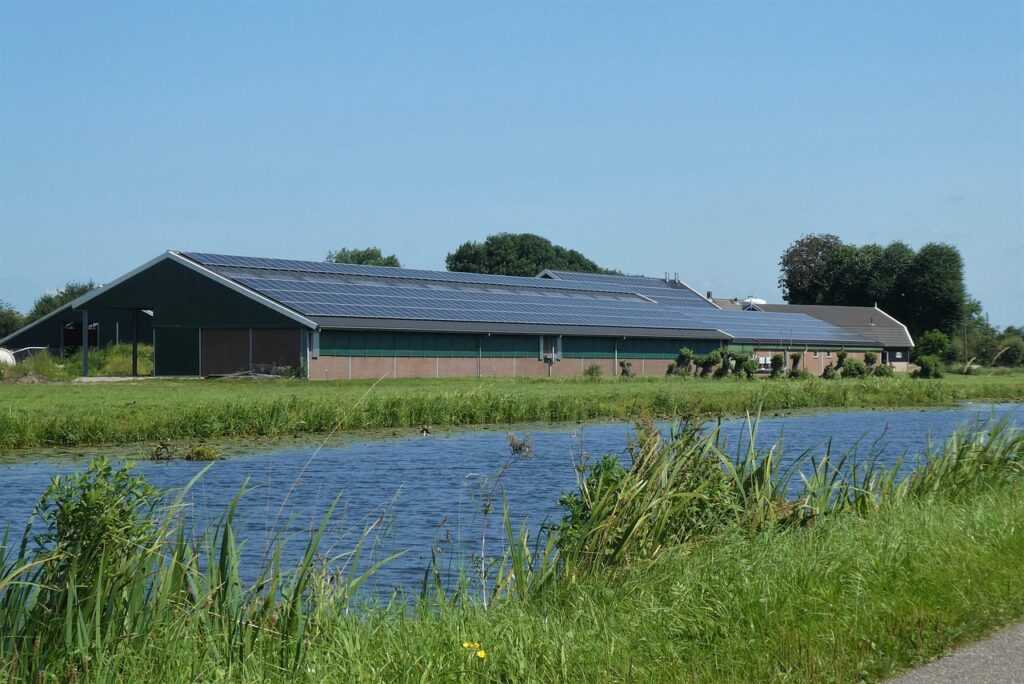
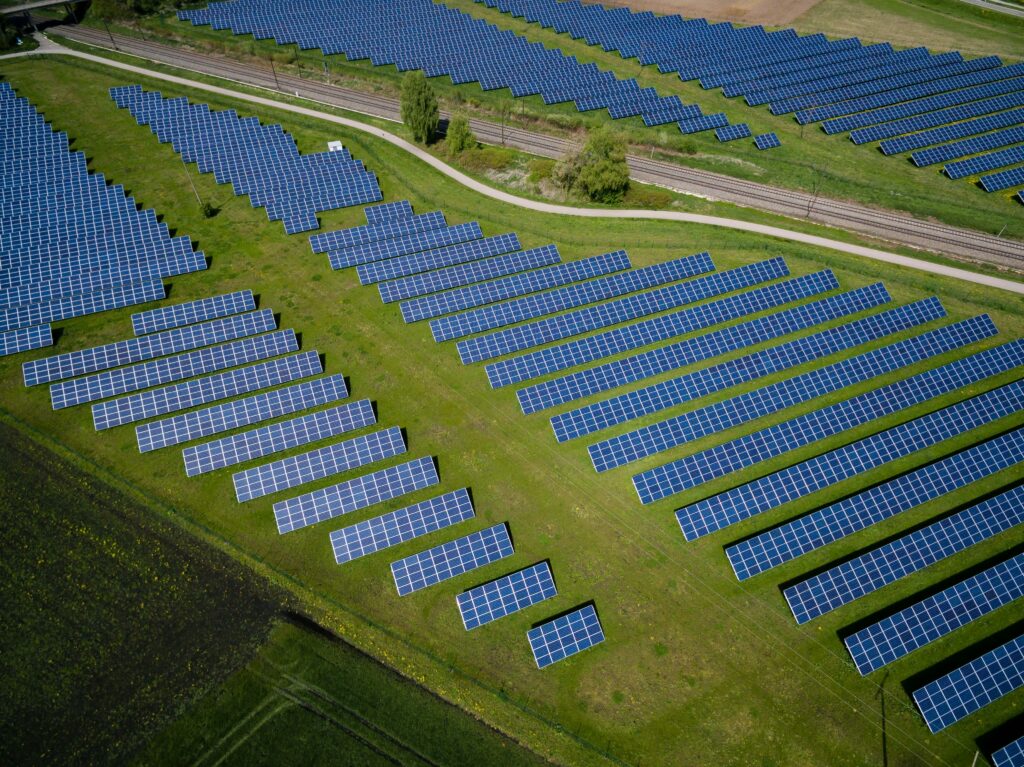
Offshore energy installations can also reduce pressure on valuable agricultural land that might otherwise be used for energy infrastructure. Preserving productive farmland is particularly important as growing populations increase demand for sustainable food production. Responsible offshore development allows energy generation and agricultural activities to coexist more effectively.
Supporting Economic Growth and Employment
Developing offshore renewable energy projects creates employment opportunities across numerous industries. Engineers, marine technicians, environmental specialists, and construction professionals contribute to the planning, installation, and maintenance of offshore infrastructure. These projects also generate demand for transportation, manufacturing, logistics, and professional support services.
Coastal communities can benefit from increased investment in ports, training facilities, and supporting infrastructure. As renewable energy projects expand, educational institutions and training providers can develop programs that prepare workers for emerging technical roles. Building a skilled workforce helps strengthen local economies while supporting the long-term growth of cleaner energy industries.
Protecting Marine Ecosystems Through Responsible Development
Although offshore renewable energy offers environmental advantages, its development must account for potential effects on marine ecosystems. Construction activities, underwater noise, and changes to marine habitats can affect wildlife if projects are not carefully managed. Comprehensive environmental assessments help developers identify risks and implement appropriate protective measures.
Ongoing monitoring is equally important throughout the operational lifespan of offshore installations. Environmental specialists can assess changes in marine biodiversity, animal migration patterns, and surrounding water conditions to inform management decisions. Collaboration between energy developers, conservation organizations, and marine researchers can help balance renewable electricity generation with ecosystem protection.
Advancing Technology and Energy Efficiency
Technological innovation continues to improve the efficiency and reliability of offshore renewable energy systems. Larger wind turbines, floating platforms, and advanced monitoring equipment are expanding opportunities to generate electricity in previously unsuitable marine environments. Improvements in engineering can also reduce maintenance requirements and increase the operational lifespan of offshore infrastructure.
Energy storage technologies and improved electricity transmission networks can help address fluctuations in renewable energy production. Integrating offshore electricity generation with other renewable sources can create a more balanced and resilient energy system. These developments are important for ensuring that cleaner electricity remains dependable as consumption patterns and energy demands evolve.
Strengthening Long-Term Energy Security
Dependence on finite fossil fuel resources can expose economies to supply disruptions and unpredictable energy prices. Offshore renewable energy provides an opportunity to diversify electricity generation using naturally replenished resources. A broader energy portfolio can help reduce vulnerability to changes in conventional fuel markets.
Reliable renewable electricity can also support sustainable development across agriculture, manufacturing, transportation, and other essential industries. Businesses that gain access to cleaner energy may be better positioned to reduce operational emissions and meet environmental objectives. Continued investment in offshore infrastructure can therefore support both economic stability and long-term sustainability.
Conclusion
Offshore renewable energy offers a promising pathway toward cleaner electricity generation, stronger economies, and improved environmental sustainability. Its ability to reduce dependence on fossil fuels, create employment opportunities, and support energy security makes it an important part of the wider energy transition. However, achieving these benefits requires responsible environmental management, technological advancement, and investment in skilled professionals. By balancing energy development with marine conservation, offshore renewable energy can help build a more sustainable future for generations to come.